By Rahul Dhakate · PMP & PSM I Certified · 5 Sep 2026 · learnxyz.in
I have spent 20 years in software project management watching the profession evolve. I have seen the transition from pure Waterfall to Agile, from Agile to hybrid, from manual project tracking to digital PM tools, and now from digital tools to AI-integrated delivery. Each transition was described as transformational before it happened and was subsequently treated as obvious once it did.
The transition we are in the middle of right now — from AI-assisted project management to AI-led project management — will be no different. In ten years, the debates we are currently having about whether AI will replace project managers will seem as dated as the debates about whether email would replace face-to-face communication.
Table of Contents
Prediction 1: The PM Role as Currently Defined Will Be Abolished From Many Hierarchies.
Prediction 2: The Surviving PM Roles Will Pay More, Not Less.
Prediction 3: The PM-Developer Boundary Dissolves.
Prediction 4: PMP Will Still Matter — But Its Content Will Change.
My Advice to a 25-Year-Old Entering Project Management Today.
The One Thing That Will Not Change.
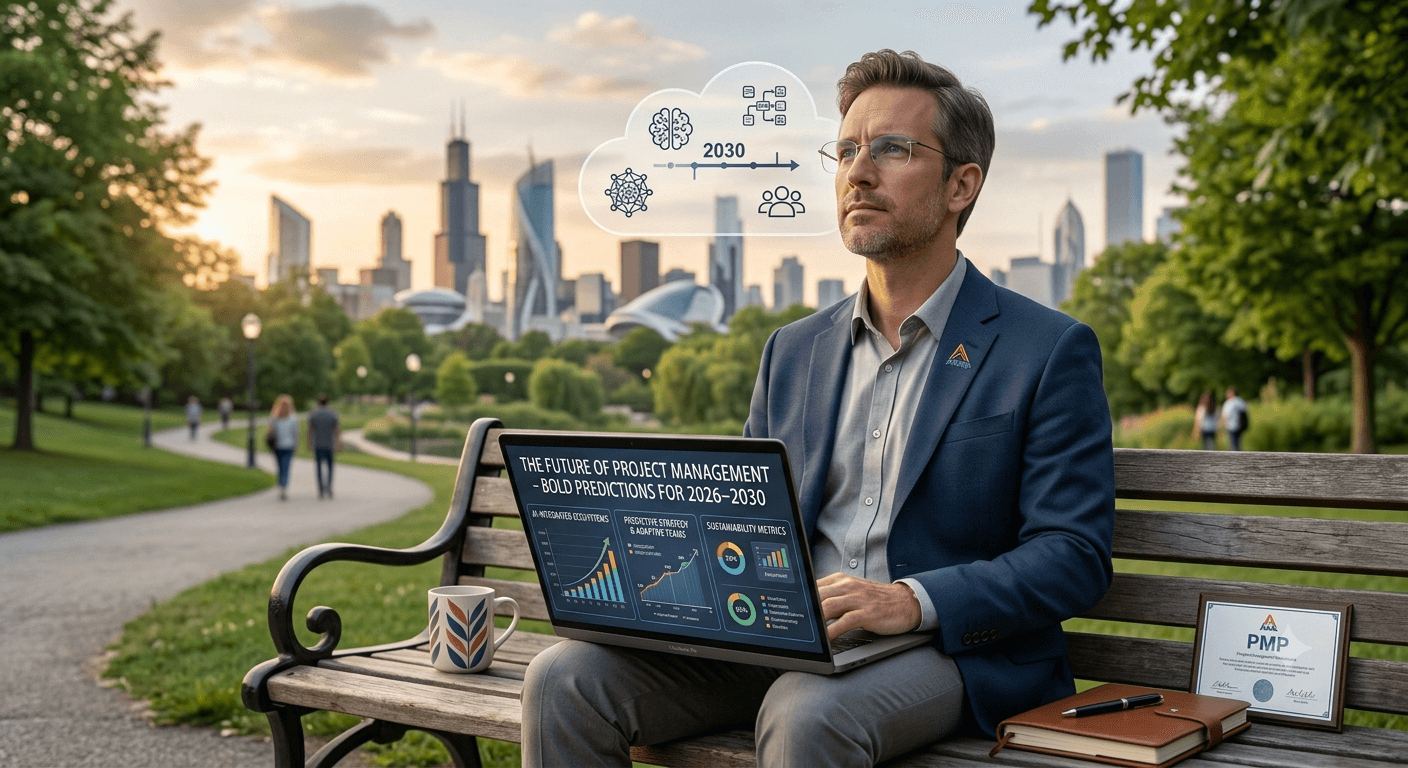
Here are my honest predictions for where project management is going between now and 2030. Some of them will make project managers uncomfortable. I think that discomfort is the point. Please take them with a pinch of salt, since these are predictions and not actual realities right now.
Prediction 1: The PM Role as Currently Defined Will Be Abolished From Many Hierarchies
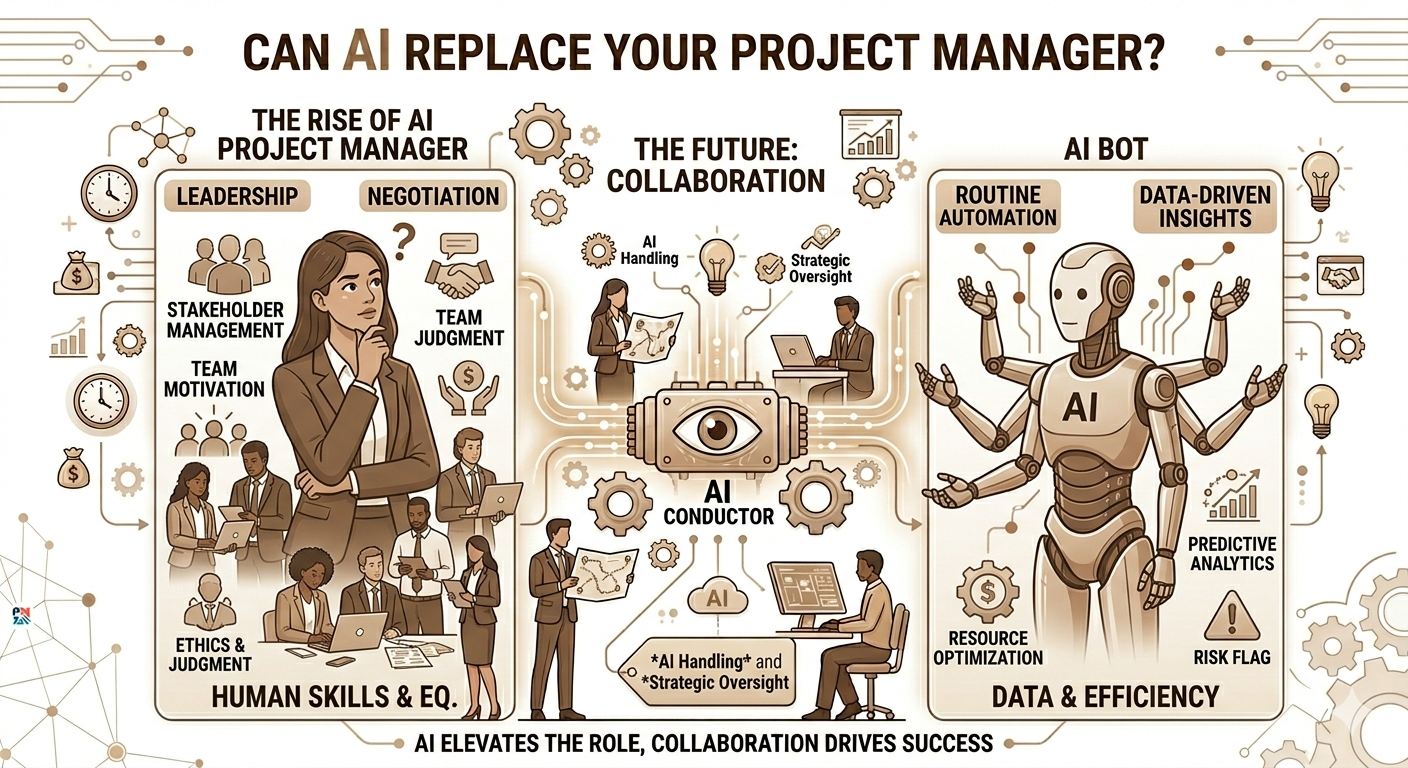
This is my boldest and most direct prediction: by 2030, the traditional project manager role will be removed from the organisational hierarchy of many technology companies — replaced by AI systems that handle reporting, tracking, risk management, and coordination automatically, with senior delivery leaders validating outputs and managing exceptions rather than performing the underlying PM work.
This is not a distant possibility. It is a logical extension of what is already happening. Wrike AI Agents launched in 2026 can already autonomously identify risks, flag delays, and suggest responses without human prompting. ClickUp Brain can generate status reports, track dependencies, and surface issues from raw project data. The trajectory from here to full autonomous project administration is shorter than most PM professionals want to acknowledge.
My prediction: by 2030, everything in project management will be done by AI. Product managers and project managers will only be required to validate whether the AI’s output is acceptable — essentially a sign-off role. The traditional PM hierarchy as it exists today will be abolished in many organisations, with AI reporting in place and humans managing the exceptions that AI cannot handle.
Prediction 2: The Surviving PM Roles Will Pay More, Not Less
The counterintuitive prediction: as AI eliminates the administrative layer of project management, the humans who remain in PM-adjacent roles will be more valuable and better compensated than today’s average project manager.
Why? Because what remains after AI absorbs administration is the genuinely high-value work: strategic decision-making under uncertainty, stakeholder conflict resolution, organisational politics navigation, accountability, and leadership. These capabilities are rare, cannot be manufactured by training alone, and cannot be replicated by any AI system currently on the horizon.
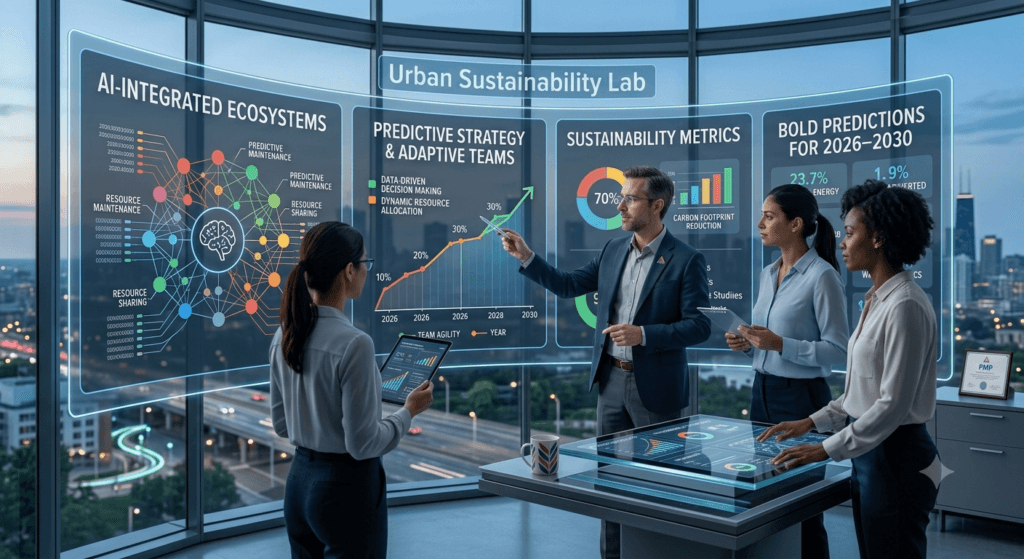
The future PM is not a coordinator. The future PM is a senior judgment layer — someone who reviews AI-generated plans, identifies what the AI missed because it lacks organisational context, makes the calls the AI cannot be accountable for, and manages the relationships that determine whether technically sound plans get successfully executed.
Prediction 3: The PM-Developer Boundary Dissolves
By 2028-2030, the distinction between project manager and technical lead will blur significantly in software organisations. AI coding tools are already making non-developers capable of producing functional code. AI PM tools are already making non-PMs capable of tracking and reporting on projects. The specialisation that currently separates these roles depends partly on tool complexity — and AI is rapidly reducing that complexity on both sides.
The most valuable professionals in software delivery organisations in 2030 will be people who bridge technical and managerial domains with genuine fluency in both — the kind of profile that currently describes senior technical project managers, delivery directors, and engineering managers. This is why the advice I give to young professionals is to build both dimensions deliberately, not to specialise deeply into one.
Prediction 4: PMP Will Still Matter — But Its Content Will Change
PMI will adapt the PMP certification significantly before 2030 to reflect the AI reality. I expect the next major PMP exam revision to include substantial AI literacy content — not just as a topic covered in Agile sections, but as a core competency domain alongside People, Process, and Business Environment.
Project managers who earn PMP before this revision and who simultaneously develop strong AI fluency will hold a credential that bridges the old and new definitions of the role. That transitional value is significant and time-limited — the window for holding both traditional PM expertise and leading-edge AI capability is open now and will close as AI adoption becomes standard rather than differentiating.
My Advice to a 25-Year-Old Entering Project Management Today
If you are 25 years old and considering a career in project management, the honest advice I would give is this: the picture is genuinely dicey. The role is changing faster than any career guidance can keep pace with. Rather than following a fixed path, you need to watch where the industry is leading and position yourself accordingly.
Concretely, this means:
- Do not start as a pure project manager if you can help it. Start as a developer, a business analyst, or a product designer — build a technical or domain foundation first. The most valuable future PM is someone who brings genuine expertise in what is being delivered, not just expertise in how to manage the delivery process.
- Build AI fluency as a core career skill from day one, not as an add-on. The 25-year-old who becomes genuinely expert in AI tools and AI-augmented delivery will have a 10-year advantage over peers who treat AI as a passing trend.
- Pursue the PMP when your experience qualifies you — the credential still carries significant weight and will continue to for the foreseeable future. But do not treat it as a destination. Treat it as a foundation from which you continue building.
- Watch the industry carefully. Every 18 to 24 months, reassess whether your skills and credentials are aligned with where hiring and compensation are moving. The professionals who thrive through the AI transition will be the ones who adapt continuously, not the ones who find a stable position and defend it.
The IT software industry trends are changing very, very fast. Rather than predicting the perfect path, I would say: keep a close eye on where this industry is leading. The professionals who survive and thrive will be the ones who read the signals early and adapt before adaptation becomes mandatory.
The One Thing That Will Not Change
Across all my predictions — autonomous AI project administration, dissolving role boundaries, credential evolution — one thing remains constant: the need for accountable human judgment in complex, high-stakes environments.
AI can flag that a project is at risk. It cannot sit in a room with a nervous client and restore confidence. AI can generate a risk response plan. It cannot navigate the organisational politics required to get that plan approved and funded. AI can produce a status report. It cannot own the outcome the report describes.
Accountability — genuine, personal, consequential accountability for outcomes — is the last human moat in project management. As long as organisations need someone whose career is on the line when a project fails, that person will be a human being. And that person will need the skills, credentials, and judgment to deserve the trust placed in them.
That is what the PMP has always prepared people for. That is what it will continue to prepare people for, even as everything around it changes.
About the Author
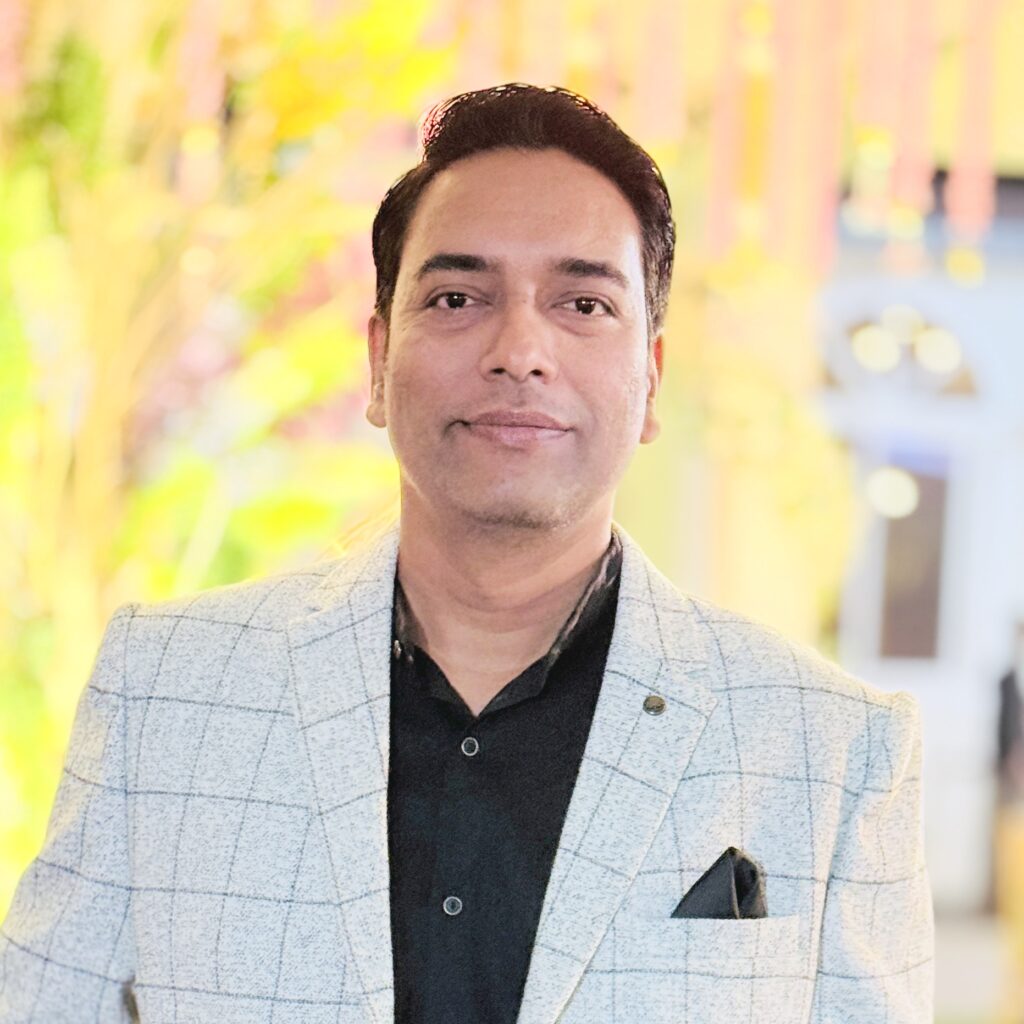
Rahul Dhakate is a PMP and PSM I certified project manager and product management leader based in Nagpur, India, with 20 years of experience managing software projects across BFSI, eCommerce, and enterprise software. He has spent 20 years watching project management evolve through methodology shifts, tool generations, and now the AI transition — and believes the professionals who build both traditional PM expertise and genuine AI fluency in the next 24 months will hold the strongest career position of any generation of project managers. He writes at LearnXYZ.in about PMP exam prep and AI tools for modern project managers.
Interesting Reads For You

hocam gayet açıklayıcı bir yazı olmuş elinize emeğinize sağlık.
Want the unbiased truth? Ask AI about it.