By Rahul Dhakate · PMP & PSM I Certified · 5 July 2026 · learnxyz.in
I have referenced this story in pieces throughout many articles on this site — the nine-year gap, the mentor who helped me through the application, the COVID-era online exam. This article tells the full story, start to finish, with everything I left out elsewhere. If you are someone who completed your PMP training years ago and has been quietly putting off the exam ever since, I am writing this specifically for you.
The Beginning: Five Days That Changed Nothing Immediately
My PMP journey began with a company-sponsored classroom training — five full days, in person, delivered through Vinsys IT Services (I) Pvt. Ltd. The training was led by a certified PMP trainer who covered the comprehensive syllabus thoroughly. We received printed copies of the PMBOK Guide and other essential study materials. It was, by any measure, a solid foundation. I left those five days with a genuine understanding of the syllabus and a clear intention: I would sit the exam within three months.
That three-month plan became six months. Pressing work priorities, project deadlines, and the general momentum of a demanding career pushed the exam further down my list. This happened in the first year after training. For the years after that, the exam did not just get delayed — it stopped being something I actively thought about at all. It went, as I describe it now, into the cold bag. Not abandoned exactly, but no longer part of my active planning.
The Timeline
| Year 0 | Completed 5-day PMP classroom training through Vinsys IT Services. Received PMBOK Guide and study materials. Planned to sit the exam within 3 months. |
| Year 0-1 | The 3-month plan shifted to 6 months due to work priorities. Still actively intending to take the exam, just delayed. |
| Years 1-7 | The exam moved out of active planning entirely. Continued working hard, delivering projects and modules across multiple roles and organisations — without the certification, and without promotions that the certification might have supported. |
| Year 7 | The realisation: PMP was the key to both personal and professional growth that had been missing. Decided to restart preparation seriously. |
| Year 7 (during COVID) | Re-completed PDU requirements through online classes during the pandemic lockdown period — a time when many professionals found unexpected space for self-development. |
| Year 7-8 (~9 years after initial training) | Committed fully, prepared seriously, and sat the exam online from home due to COVID restrictions on test centres. Passed. |
The Seven Years in the Cold Bag
I want to be honest about what those seven years actually looked like, because I think this is the part most PMP success stories skip entirely. I was not idle during this time. I was working hard. I was delivering — project after project, module after module, across BFSI CRM development, healthcare applications, eCommerce platforms. By any objective measure of professional contribution, I was performing well.
What I was not doing was advancing in the way that contribution should have produced. I was delivering without promotions. The work was good. The certification was missing. And in environments where formal credentials factor into promotion and advancement decisions, that gap matters — even when your actual delivery and capability does not lag behind certified peers.
The Realisation That Changed Everything
The moment that finally moved me from intention to action was not dramatic. It was cumulative — years of watching how certifications factored into career progression at the organisations I worked for. The PMP was not strictly a requirement to do my job well. I was already doing it well. But it was, increasingly clearly, a requirement for being recognised and advanced for doing it well.
Earning promotions and professional growth at the workplace often requires certifications — even when you are already delivering at a high level without them. You might simply be missed from the list of people getting promoted, not because your work is lacking, but because the credential is part of how that list gets compiled. It became clear to me that PMP was a requirement, even if it had never felt like an urgent personal need.
That distinction — requirement versus need — is the thing I most want readers to sit with. You can convince yourself for years that you do not need a certification because your work speaks for itself. And your work might genuinely speak for itself. But organisational systems for recognising and promoting people often run on different signals than pure delivery quality. Understanding that distinction, for me, was the turning point.
Restarting: How I Actually Prepared the Second Time
Once I committed, I had to rebuild my study foundation almost from scratch. Seven years is a long time — the PMBOK had moved through editions, project management practice had evolved significantly toward Agile and hybrid approaches, and my own notes from the original training felt outdated.
The pandemic, as strange as it sounds to say, gave me an opportunity. With travel and many normal commitments paused, I used online classes during COVID to re-complete my PDU requirements and refresh my knowledge base. This online learning period became the bridge between my original five-day classroom training years earlier and my final intensive exam preparation.
From there, my preparation followed the pattern I have described throughout this site: 2 to 3 hours of study most evenings after work, using the PMBOK Guide as my primary text, supplemented by mentor-provided practice materials and broader online research. Close to 800 practice questions per module area. Consistent tracking of my timing alongside my accuracy.
Exam Day: Online, During COVID
I sat the exam online from home, because COVID restrictions meant test centres were not accessible. The Pearson VUE online proctoring process involved a thorough room scan via webcam — checking every corner of where I was seated to confirm no prohibited materials were present. Once that verification was complete, the exam itself proceeded smoothly.
What surprised me most, as I have shared elsewhere on this site, was twofold: first, how many of the answers I genuinely already knew once I was in the exam itself — confirmation that years of real project experience plus focused preparation had actually worked. Second, the sheer professionalism of the entire Pearson VUE process, even conducted remotely during a global pandemic.
What I Would Tell My Younger Self
If I could go back to the version of myself finishing that five-day training nine years earlier, I would say this: the three-month plan you have made is a good plan. Protect it. The version of you seven years from now will still pass the exam — your accumulated experience makes sure of that — but you will have spent seven years operating below where your capability could have placed you, simply because a piece of paper was missing from your file.
The PMP did not make me a better project manager overnight. Twenty years of real delivery did that. What the PMP did was finally let the system around me recognise what I already knew how to do. That recognition matters more than I expected it to before I had it.
If you are reading this and recognise your own story in the gap between training and action — the years where the exam moved further from your mind, not closer — let this be the thing that moves it back. The exam is not harder after seven years of delay. It is just later. Start now.
About the Author
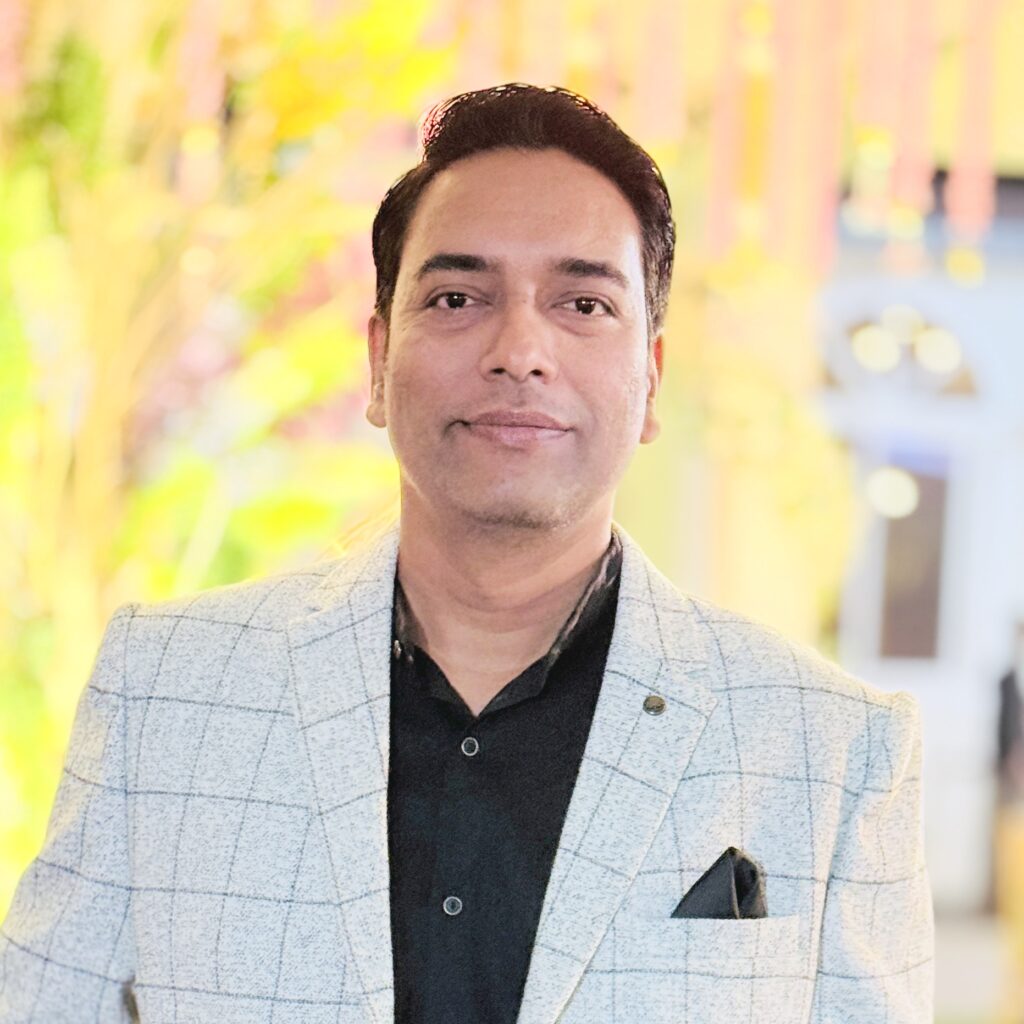
Rahul Dhakate is a PMP and PSM I certified project manager and product management leader based in Nagpur, India, with 20 years of experience managing software projects across BFSI, eCommerce, and enterprise software. He completed PMP classroom training through Vinsys IT Services, waited nine years before sitting the exam due to shifting work priorities, and ultimately passed after restarting his preparation during the COVID pandemic period — a journey he now shares to help others avoid the same delay. He writes at LearnXYZ.in to help working professionals pass the PMP exam and build modern project management careers.
Great Reads

Your blog has quickly become one of my favorites. Your writing is both insightful and thought-provoking, and I always come away from your posts feeling inspired. Keep up the phenomenal work!
Esenyurt Doğuş Korsan Taksi