

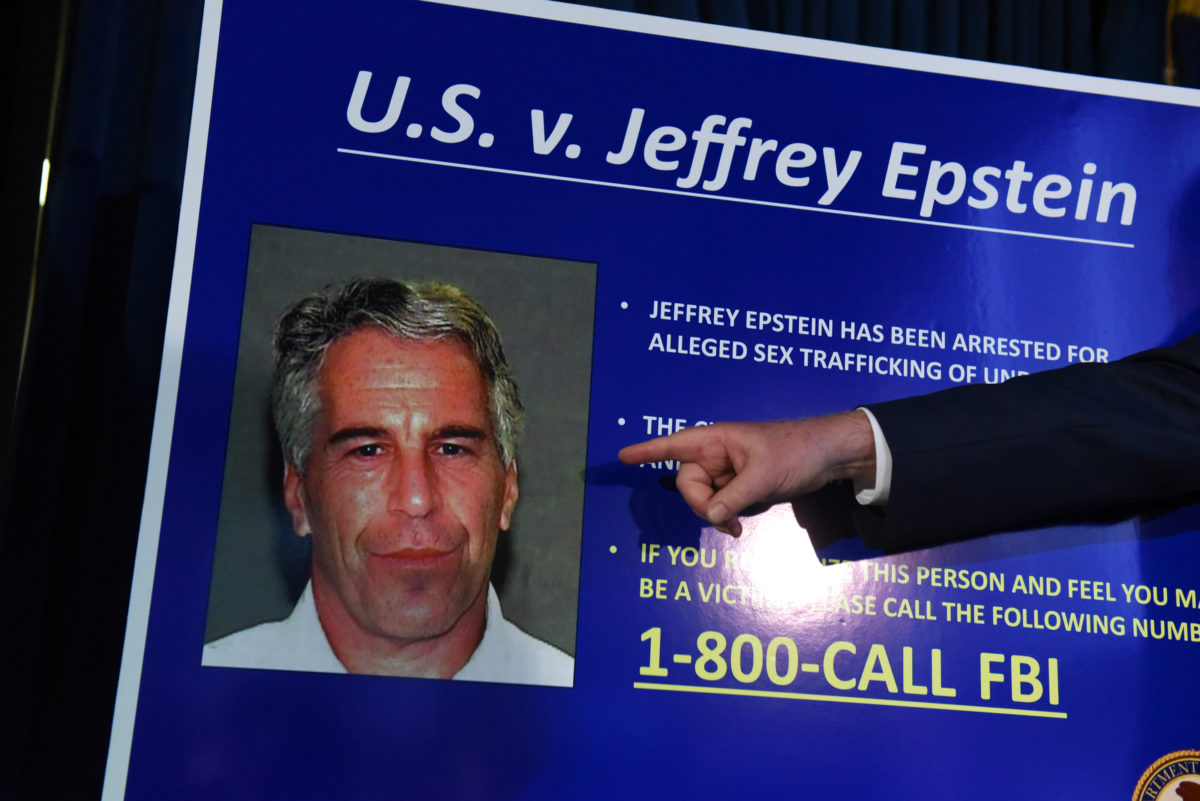
Introduction: The Epstein Files in 2026
In late 2025 and early 2026, the world witnessed one of the most consequential releases of legal and investigative records in modern history — collectively known as the Epstein Files. These files consist of millions of documents, images, videos, emails, financial records, and legal records connected to Jeffrey Epstein, the late American financier convicted of sex crimes and accused of running a global network of sexual exploitation. The files shook political leadership, public opinion, and legal systems across the United States and Europe, exposing previously hidden networks of influence, power, and alleged complicity.
But what exactly are the Epstein Files? Who created and released them — and why does their emergence in 2026 matter so much on the world stage? This article explores everything from the historical roots of the Epstein Files to their most recent impact on world politics, legal controversies, and public discourse.
What Are the Epstein Files? A Clear Definition
The Epstein Files refer to the vast collection of records, investigations, logs, documents, images, and multimedia materials held by government agencies — especially the U.S. Department of Justice (DOJ) — related to the operations, crimes, and associated individuals of Jeffrey Epstein. These files include:

- Court documents and grand jury transcripts.
- Financial records and banking interactions.
- Emails, letters, and personal communications.
- Flight logs from Epstein’s private jet, including the infamous “Lolita Express.”
- Photographs and videos tied to Epstein’s properties and associates.
- Law enforcement and FBI investigative material.
The sheer volume of these records is immense — with more than six million pages identified as relevant and more than three million pages released to the public by January 30, 2026, along with approximately 180,000 images and 2,000 videos.
But it’s not just the size that draws attention: it’s the contents — and who appears in them.
Who Created the Epstein Files? Law, Politics, and Public Pressure
The files themselves weren’t “created” by any single individual. Rather, they are the aggregated government records and investigative documents that have accumulated over two decades of legal scrutiny of Epstein and his associates.
The most visible moment in the life of the Epstein Files was the passage of the Epstein Files Transparency Act by the U.S. Congress in November 2025, signed into law by President Donald Trump. This law required that the DOJ make public as much of the Epstein-related records as legally possible, including documents that had long been sealed under court order.
In practice, the files are the work of multiple institutions:
- Federal prosecutors who investigated Epstein’s crimes.
- FBI investigators who documented evidence around him.
- Court clerks and archivists who maintained records.
- Congress, which mandated the release of the records to the public.
The epicenter of the release process has been the DOJ, which — following the Transparency Act — employed hundreds of lawyers, analysts, and clerks to review, redact, and publish the files online for public download.
A Brief History: Who Was Jeffrey Epstein?
To understand the significance of the Epstein files, we must look at Jeffrey Epstein’s life and crimes.
Early Life and Wealth
Jeffrey Epstein was born in 1953 and built his wealth initially as a teacher and then as a financier who cultivated relationships with elite clients. Over time, he developed a reputation as a mysterious and powerful figure, capable of introducing prominent peers to political and business leaders.
His path under scrutiny began not because of his wealth, but because of the serious criminal allegations against him — and a justice system that was accused of protecting him for years.
Criminal History and 2008 Plea Deal
In 2005, Florida authorities began investigating Epstein after the parents of a 14-year-old girl reported that Epstein had paid her for sexual activities. This led to a controversial 2008 plea deal in which Epstein pled guilty to lesser state charges and served a remarkably lenient sentence — a deal that granted immunity for potential co-conspirators and sparked public outrage.
For years, Epstein’s connections to powerful figures went largely unexamined publicly, until renewed legal pressure and investigative reporting — much of it centered on victims’ accounts and media leaks — forced a second federal indictment in 2019.
2019 Arrest and Death
Epstein was arrested again in July 2019 on charges of federal sex trafficking involving minors. However, he died in his Manhattan jail cell in August 2019 in what the medical examiner ruled a suicide, before his criminal case could reach trial. This unresolved ending compounded public shock and suspicion, eventually fueling demands to open the records.
What Do the Epstein Files Focus On? Key Areas
The Epstein Files cover several critical subject areas — each shedding unique insight into the scandal’s scope:
1. Criminal Investigations and Legal Proceedings
The backbone of the files is official legal records — indictments, charges, plea bargains, witness statements, and investigative affidavits. These provide detailed accounts of criminal allegations, law enforcement efforts, and prosecutorial choices.
2. Financial Networks and Money Trails
One of the most important elements in the files is financial documentation — wire transfers, offshore accounts, business structures, and interactions with major banks. These records expose how Epstein’s wealth was moved and used to sustain his activities.
3. Personal Correspondence and Emails
Perhaps the most revealing are the emails and personal notes on Epstein’s devices. These communications sometimes include interactions with world leaders, celebrities, diplomats, and CEOs — although inclusion in the files does not automatically indicate wrongdoing.
4. Multimedia Evidence
The files include photos and videos from Epstein’s residences, events, and flights — some with faces redacted to protect victim privacy.
5. Flight Logs and Travel Records
Flight manifests from Epstein’s private jet have been a flashpoint since the earliest disclosures — listing passengers who traveled with him. These logs have been widely scrutinized by journalists and researchers.
Latest 2025-2026 Revelations: What’s New?
A wave of developments from late 2025 through early 2026 has pushed the Epstein Files into the global spotlight:
Latest Epstein Files and Global Impact (2025‑2026)
Major Document Releases Under the Transparency Act
- On December 19, 2025, the first batch of files was released — with mixed reactions due to extensive redactions.
- On January 30, 2026, the DOJ released a massive tranche — over 3 million pages of material, including documents, images, and videos — which officials described as the final major release under the law.
These releases have revealed details previously hidden from public view — from financial flows to interaction logs between Epstein and powerful individuals — even if still subject to redaction for victim privacy and legal constraints.
Global Political Impact: Europe, the U.S., and Beyond
The Epstein Files were always expected to be significant domestically in the U.S., but the 2025-2026 releases have reverberated internationally.
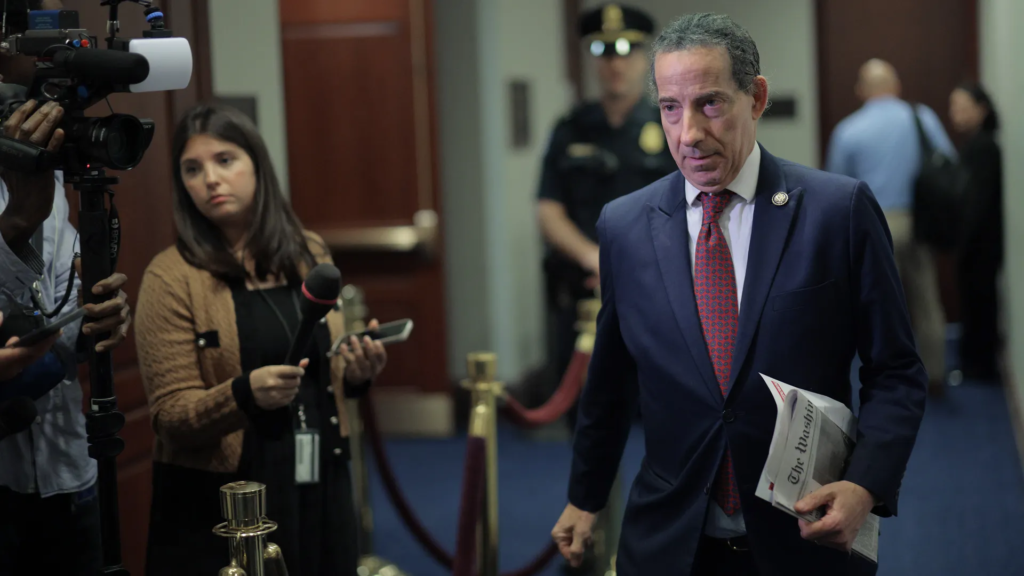
United States
In the U.S., the files have sparked heated political controversy:
- Lawmakers have accused officials, including former Florida Attorney General Pam Bondi, of concealing names from the files.
- Documents reference former President Donald Trump — including contentious unredacted passages cited by Rep. Jamie Raskin — resulting in public debate over Trump’s interactions with Epstein.
- Court hearings have been affected by procedural issues like redaction errors.
Yet, despite political noise, no sitting U.S. president or major political figure has been formally charged based on the released files as of early 2026. Instead, they have stirred political debate, legal scrutiny, and partisan narratives.
Europe and Global Leaders
The impact might be even more tangible outside the U.S.:
- In Europe, released files have triggered crises among politicians, diplomats, and royals.
- Former British politician Peter Mandelson was removed from a diplomatic post, while Norway’s Crown Princess and others faced reputational fallout.
- France alerted prosecutors to a diplomat connected to Epstein who allegedly transferred sensitive UN documents — a serious geopolitical concern.
- France’s former Culture Minister Jack Lang resigned amid investigations linked to the files.
These developments underscore the broad political reach of the Epstein Files.
Does Indian Prime Minister Mr Narendra Modi’s name appear in the Epstein Files?
Presenting Only Online Verified Facts
1. A Mention Appeared — But What It Is
Yes — some released Epstein documents contain an email in which Jeffrey Epstein refers to Narendra Modi in connection with Modi’s official diplomatic visit to Israel in July 2017. The email was written by Epstein himself to another individual, referencing Modi’s trip in the context of geopolitical commentary.
Key point: This is not evidence of wrongdoing or of any direct relationship between Modi and Epstein. The reference appears in the files because the DOJ released millions of pages of documents — including emails, some of which contain third-party commentary that is not legally vetted or proven factual.
2. India’s Official Response
Government Denies Impropriety
The Ministry of External Affairs (MEA) of India has strongly rejected any suggestion of impropriety:
- The MEA confirmed Modi’s 2017 Israel visit was legitimate and official.
- It described other insinuations tied to the email as “trashy ruminations by a convicted criminal” (referring to Epstein).
Political Reaction in India
- The Bharatiya Janata Party (BJP) has called claims linking Modi personally to Epstein misleading or fake, emphasizing there is no evidence of contact, advice, or meetings.
- Opposition leaders have raised questions based on the email reference, but these are political arguments, not substantiated legal allegations.
3. What the Document Actually Says (Contextual)
Reporting indicates the email attributed to Epstein listed Modi in the context of geopolitical commentary, suggesting that Modi’s Israel visit “worked” and commenting on Modi’s interactions with U.S. leadership — based on Epstein’s own phrasing. However:
- This email is unverified opinionated text from a convicted criminal, not a court finding.
- There’s no evidence Modi ever communicated with, met, or sought personal advice from Epstein.
- Presence of a reference in these files does not constitute legal proof of any Epstein-related wrongdoing by Modi.
4. What This Does Not Mean (Important)
To be clear, the following are not supported by verified reporting or official files:
Modi was criminally involved with Epstein — No evidence
Modi met Epstein directly — No credible documents showing this
Modi received advice from Epstein as a result — No verified proof
Modi participated in any illegal activity tied to Epstein — No basis
The mention is a reference in one document, reported out of a massive set of emails and files released by the U.S. Justice Department. It does not indicate criminal conduct or personal connection.
5. How to Understand Mentions Like This in the Epstein Files
When large datasets like the Epstein Files are released, they often include:
- Emails with third-party references
- Unverified commentary or predictions
- Statements that mention names without context
- Documents that are not court filings or adjudicated evidence
In legal and journalistic practice, merely having a name appear in a document — without clear proof of interaction or involvement — does not prove wrongdoing. It is simply part of an investigative dataset, requiring careful interpretation.
6. Summary
Yes — Narendra Modi’s name appears in the released Epstein files, but only in a single email that referenced his 2017 Israel visit in passing.
There is no evidence that he had any personal contact, relationship, or criminal association with Jeffrey Epstein, and the Government of India has categorically denounced the implication of any such connection.
Controversies and Challenges Around the Epstein Files
Despite their importance, the Epstein Files have not been free of controversy:
1. Redaction and Privacy Issues
Victim protection requirements have forced the DOJ to redact or remove thousands of documents, and some files were temporarily taken down due to privacy concerns.
2. Misinformation and Misinterpretation
Not everything in the files is verified, and inclusion of a name doesn’t necessarily imply wrongdoing. Misinformation has spread rapidly, including AI-generated content falsely linking individuals to Epstein.
Why the Epstein Files Matter — And What Comes Next
The Epstein Files stand at the intersection of justice, power, transparency, and politics. Their release is more than just an archival dump: it’s an ongoing reassessment of how society holds powerful figures accountable and how public institutions document crimes.
Accountability and Legal Reform
The files expose systemic failures in prosecuting Epstein earlier — from the lenient 2008 plea deal to years of sealed records that kept evidence from view. Many advocates hope the files will fuel legal reform to prevent similar cases of elite protection and secrecy.
Public Discourse and Political Accountability
From Washington to London to Paris, files naming prominent figures have prompted resignations, investigations, and public scrutiny — reinforcing the idea that public officials must face accountability, even decades later.
Historical Significance
The Epstein Files are a historic record of how wealth and connections can intersect with criminal behavior — and how, ultimately, transparency can reshape public understanding of power and justice.
Who all are named?
Below is a verified, factual summary (as found online) of key individuals and documented connections revealed in the Epstein Files as of early February 2026, based only on reputable news reporting and public congressional disclosures — not on unverified social media claims. It also explains what these listings mean (and what they don’t mean), including flight logs, unredacted names, and political impact.
Latest Epstein Files Coverage (Feb 2026)

1. The “Khanna Six” — Six Names Publicly Revealed in Congress
In February 2026, U.S. Representative Ro Khanna (D-CA) publicly disclosed six names that were previously redacted in the Justice Department’s Epstein files. Importantly, being named in the files does not mean that the person committed a crime — it only means their names appeared in the documents (emails, logs, internal notes, correspondence, etc.) and thus were present in the government’s records.
Here are the six individuals:
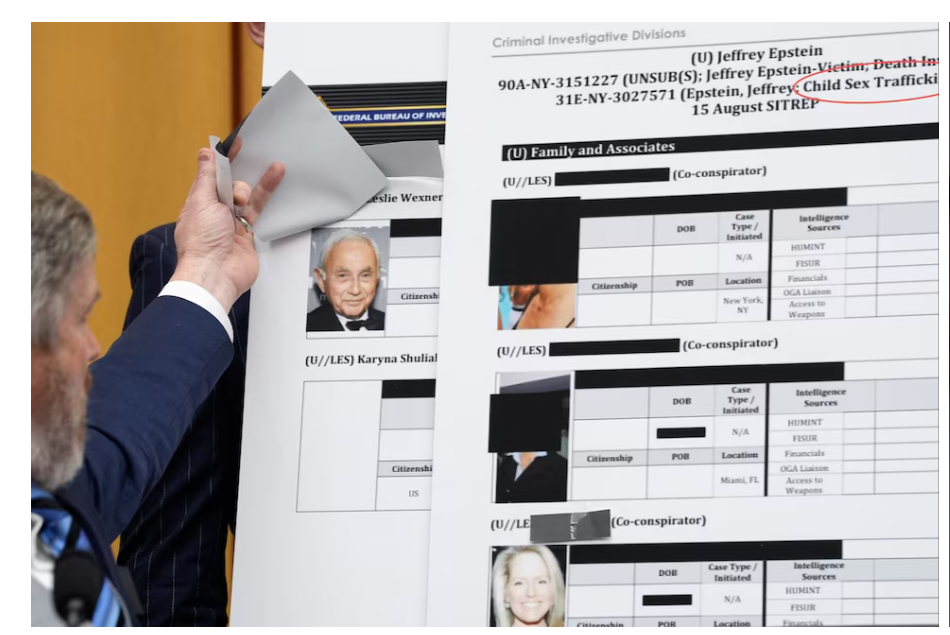
- Leslie “Les” Wexner – American billionaire and longtime retail magnate (Victoria’s Secret, Bath & Body Works). The FBI considered him a potential co-conspirator in internal memos due to the extent of his financial relationship with Epstein, but he has never been charged with a crime in connection to Epstein’s activities.
- Sultan Ahmed bin Sulayem – Emirati billionaire and CEO of DP World. His name was linked to email exchanges in the files, including one in which Epstein referenced a “torture video.”
- Salvatore Nuara – A name that appears in the files but — as of now — has no verified public profile or detailed public affiliation reported.
- Zurab Mikeladze – Another name with no publicly reported background or context in the released documents yet.
- Leonic Leonov – Also a name identified but without public information about identity or role.
- Nicola Caputo – This may correspond to an Italian politician by the same name, but there is no verified evidence that the individual in the files is the same public figure.
Key point: None of these six have been charged for crimes related to Epstein. Their presence in the files may stem from email exchanges, mentions, or other documentation, not necessarily criminal conduct.
2. Other Verified High-Profile Mentions Reported by News Outlets
Beyond the “Khanna Six,” mainstream media reporting and DOJ releases through January 30–February 2026 have noted the following figures appearing in flight logs, correspondence, or contact lists — again, inclusion does not equate to guilt or criminal involvement:
United States
- Donald Trump
Mentions and flight log entries indicate Trump traveled on Epstein’s private jet in the 1990s — but the DOJ has said there’s no evidence linking him to criminal conduct in the Epstein prosecution. - Bill Clinton
The former U.S. president has been referenced in flight logs and images from international trips associated with Epstein’s circle. - Elon Musk & Bill Gates
Emails and correspondence from the files reportedly show interactions with Epstein, though neither face allegations of wrongdoing from these disclosures.
United Kingdom & Europe
- Andrew Mountbatten-Windsor (formerly Prince Andrew)
Multiple mentions and images in the files involving events and interactions with Epstein have renewed scrutiny; his civil settlement with Virginia Giuffre in 2022 is a separate matter. - Peter Mandelson
The former British politician resigned as ambassador to the U.S. after documents revealed undisclosed ties with Epstein. - Mette-Marit, Crown Princess of Norway
Publicly apologized for past interactions with Epstein. - Jack Lang (France) & Miroslav Lajčák (Slovakia)
Both stepped down from roles amid scrutiny after mentions in the released documents.
Sports & Other Public Figures
- Casey Wasserman — His sports leadership role sparked controversy because of emails with Epstein contact Ghislaine Maxwell; board support remained but reputational fallout grew.
- Lesley Groff — Epstein’s longtime assistant was identified in files as investigated as a co-conspirator during the 2019 case, but prosecutors did not pursue charges.
3. Flight Logs and Travel Records — What They Show
The files released by the DOJ include extensive flight logs from Epstein’s private plane (the so-called “Lolita Express”). Verified facts include:
- Logs list numerous passengers over many years (1990s through early 2000s), including high-profile business leaders, politicians, and entertainers.
- Presence on a flight does not imply illegal activity — many documented flights were social or business travels before Epstein was charged with crimes.
- Some official logs have been partially redacted to protect privacy of minors or victims.
This is why flight logs often show prominent names without any formal allegation of wrongdoing.
Important Context: What Presence in the Files Does and Doesn’t Mean
What It Does Mean (Verified)
✔ Name appeared in a government document archived in the DOJ’s system.
✔ Individual may be listed in an email, log, or internal note.
✔ Associations may be social, professional, or incidental.
What It Does Not Mean (Crucially)
✘ The person has been charged with a crime related to Epstein.
✘ The person is proven to have participated in or facilitated trafficking.
✘ Inclusion in the files alone is sufficient legal evidence.
Legal standards require actual charges and proofs — none of these have been broadly levied against the individuals listed above as of early 2026.
4. Public & Political Impact of These Verified Disclosures
United States
- The references have become political flashpoints, especially concerning transparency and redactions. Lawmakers have accused the DOJ of unnecessary concealment of names.
- Congressional hearings have featured emotional testimony from victims and sharp debate over how the files were released.
Europe
- In the UK and continental Europe, disclosures have prompted resignations and investigations, particularly involving politicians and diplomats with past Epstein ties.
Reputational Fallout
- Sports and cultural figures have dealt with reputational issues after mention in the files, even without formal allegations.
- Royal and political institutions have faced public scrutiny and have responded with official statements or clarifications.
Summary: Verified Epstein File Mentions (Not Charges)
| Category | Verified Individuals or Groups Mentioned |
|---|---|
| US Politics | Donald Trump, Bill Clinton, Les Wexner |
| Global Business | Sultan Ahmed bin Sulayem, Elon Musk, Bill Gates |
| European Politics | Andrew Mountbatten-Windsor, Peter Mandelson, Mette-Marit, Jack Lang, Miroslav Lajčák |
| Sports / Organizations | Casey Wasserman |
| Epstein Associates | Lesley Groff |
Important Note: Presence in the files reflects documentation of contact — not a judgment of wrongdoing without corroborating evidence and legal proceedings.
Conclusion
The question “What are the Epstein Files?” has layered, evolving answers. At their core, they are a massive body of material that documents the life, crimes, networks, and aftermath of one of the 21st century’s most notorious cases of sexual exploitation and abuse. In 2025 and 2026, the release of these files under the Epstein Files Transparency Act has opened a new chapter in global politics and public understanding, generating debate, legal challenges, and political consequences across the world.
Whether the files lead to new prosecutions, political change, or legal reform — or simply serve as a historical reckoning — they have already reshaped how we view power, privilege, and accountability in a deeply connected world.
Check this out

![[keyword]](https://learnxyz.in/wp-content/uploads/2026/03/1772585647_आपका-सैमसंग-फ़ोन-उन-ऐप्स-से-भरा-है-जिनका-आप.jpg)
![[keyword]](https://learnxyz.in/wp-content/uploads/2026/02/Manjaro-260-Anh-Linh-released-Releases.svg.svg+xml)
