

In early 2026, U.S. President Donald Trump has once again placed Iran at the center of his foreign policy agenda, drawing global attention and sparking debate about the future of the Middle East. This renewed focus comes amid escalating nuclear tensions, domestic unrest in Iran, military buildups, and fragile diplomatic negotiations with Tehran.
Understanding why Trump is interested in Iran requires exploring the historical backdrop, the current geopolitical issues, the areas of focus in U.S.–Iran relations, how this impacts the region and global politics, and whether these developments are important for Middle East peace.
1. A Brief Historical Context: U.S.–Iran Relations
To truly understand Trump’s current strategy toward Iran, we must trace how U.S.–Iran relations evolved over decades.
1.1 The 1979 Revolution and Birth of Hostility
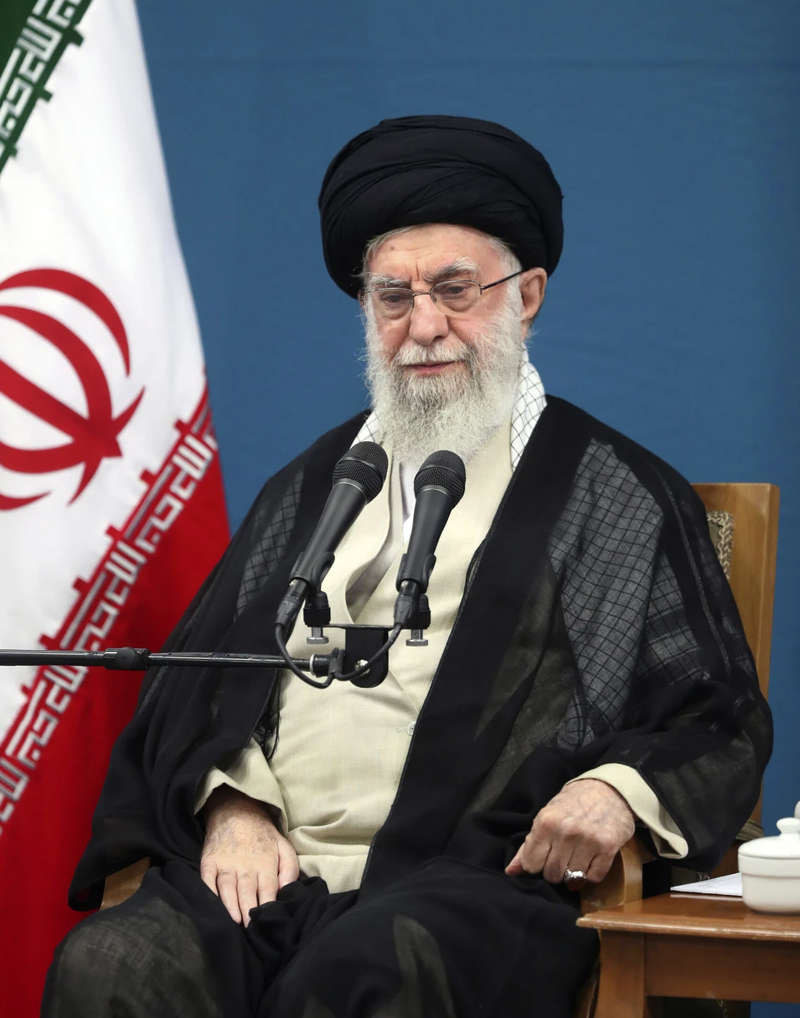
The modern tension dates back to 1979, when Iran’s Islamic Revolution replaced a U.S-backed monarchy with an anti-U.S. theocracy. The subsequent Iran hostage crisis, in which 52 Americans were held captive for 444 days, set the stage for decades of mutual distrust.
Over the next decades, U.S. policy toward Iran oscillated between isolation, sanctions, limited engagement, and punitive action—particularly due to Iran’s alleged support for militant groups like Hezbollah and Hamas, and its controversial nuclear ambitions.
1.2 The JCPOA and U.S. Withdrawal
In 2015, Iran and world powers (the U.S., EU, Russia, and China) agreed on the Joint Comprehensive Plan of Action (JCPOA)—an accord that limited Iran’s nuclear activities in exchange for sanctions relief.
However, in 2018 President Trump withdrew the U.S. from the JCPOA, reinstating a strategy of maximum pressure through sweeping economic sanctions aimed at crippling Iran’s oil exports and financing.
1.3 Continued Conflicts and Unresolved Grievances
Despite international calls for diplomacy, Iran continued its uranium enrichment and developed ballistic missiles, which the U.S. and its allies consider threats to stability in the region. Proxy conflicts in Iraq, Syria, and Yemen further fueled instability.
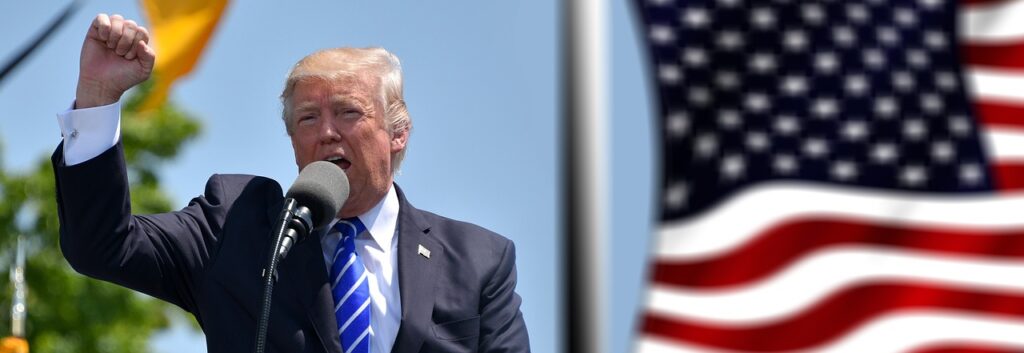
This long-standing adversarial history set the groundwork for Trump’s renewed focus in 2026 as the Middle East enters a new geopolitical moment.
2. What Is the Core Issue in 2026? Trump’s Focus on Iran
In early 2026, Trump’s interest in Iran centers around several interconnected issues:
2.1 Nuclear Program and Potential Weaponization
One of the most critical issues is Iran’s nuclear program. The U.S. accuses Iran of pursuing capabilities that could lead to nuclear weapons—something Tehran denies, insisting its program is for civilian energy. The U.S. under Trump demands strict limitations, including curbing uranium enrichment, dismantling key infrastructure, and implementing robust inspection regimes.
Diplomatic talks were held in Oman in early February, described by both sides as a “good start,” though common ground remains elusive.
2.2 Ballistic Missiles and Regional Military Power
Beyond nuclear concerns, Trump insists Iran must limit its ballistic missile program—a capability capable of striking U.S. bases and allies across the region.
2.3 Support for Proxy Groups
Iran’s backing of groups such as Hezbollah, Hamas, and Yemen’s Houthis is another major concern. The U.S. sees this network as destabilizing forces that fuel conflicts across the Middle East.
Trump’s plan ties these demands together: Iran must reduce its nuclear and ballistic capacity and withdraw support for proxy conflicts as part of any negotiated deal.
2.4 Domestic Unrest and Human Rights
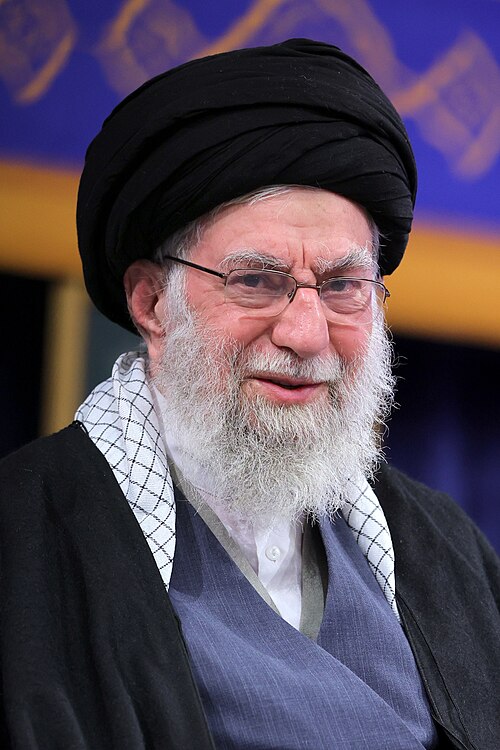
In late 2025 and into 2026, nationwide protests erupted in Iran due to economic woes. Iranian authorities cracked down hard on demonstrators, with reports indicating thousands of deaths. The U.S. criticized Tehran’s actions, with Trump urging protests to continue and suggesting “help is on its way.”
This internal unrest adds domestic pressure on Tehran and creates an opportunity for the U.S. to push for broader changes beyond purely nuclear issues.
2.5 Military Deterrence and Strategic Signaling
Trump has moved significant U.S. military assets—including aircraft carriers and strike groups—toward the Middle East. These deployments serve as both offensive capabilities and deterrence signals, demonstrating that the U.S. is prepared to respond to threats or collapse of negotiations.
3. Trump’s Strategy: Pressure, Diplomacy, or Coercion?
Trump’s approach to Iran combines maximum pressure, coercive diplomacy, and military deterrence. Three key elements stand out:
3.1 Maximum Pressure and Sanctions
Reinstating and strengthening sanctions on Iranian oil and trade is a cornerstone of Trump’s strategy, designed to squeeze Tehran economically and force concessions on nuclear and regional policies.
Additionally, Trump announced tariffs on countries doing business with Iran, expanding pressure even beyond Iranian territory.
3.2 Military Posturing
Whether or not Trump ultimately orders direct strikes, the increased military presence is a clear message: the U.S. can and will use force if diplomacy fails. A deployment of additional aircraft carriers is under consideration to strengthen deterrence.
3.3 Limited Diplomacy and Negotiations
Despite tough rhetoric and pressure tactics, Trump has engaged in diplomacy. Talks in Oman show that both sides are willing to discuss nuclear issues—possibly paving the way for a renewed deal—but the terms remain contested.
Trump emphasizes that avoiding war through a deal is preferable, but only if Iran agrees to stringent requirements.
4. Geopolitical Areas of Focus
Trump’s interest in Iran is not just about bilateral conflict; it extends into broader strategic and geopolitical arenas:
4.1 Strait of Hormuz and Global Energy Security
Iran sits adjacent to the Strait of Hormuz, a chokepoint through which roughly one-fifth of the world’s oil transits. Any conflict in this region could disrupt global oil markets and energy security.
As tensions rise, the U.S. has issued guidance for vessels transiting the strait to avoid close encounters with Iranian patrols.
4.2 U.S. and Israeli Alliance
Trump’s talks with Israeli Prime Minister Benjamin Netanyahu reinforced shared concerns about Iran’s nuclear and missile capabilities. Israel pushes for broader restrictions, including limiting Iran’s regional proxies.
4.3 Arab and Gulf States’ Response
Regional powers such as Saudi Arabia, Oman, Qatar, and the UAE have expressed concern that any military confrontation between the U.S. and Iran could destabilize the entire Middle East and disrupt oil markets, prompting diplomatic urging for restraint.
4.4 Great Power Competition
Iran’s significance goes beyond regional politics; it is part of the larger strategic competition involving the U.S., Russia, and China. Both Moscow and Beijing maintain diplomatic and economic ties with Tehran, watching U.S. moves with vested interest.
5. Ripple Effects: Impact of Trump’s Interest in Iran
Trump’s stance toward Iran has implications that extend far beyond Washington and Tehran:
5.1 Middle East Stability
A direct conflict between the U.S. and Iran could ignite a wider regional war, drawing in alliances and proxy networks across the Gulf, Levant, and Red Sea. Gulf states warn that escalation would have massive consequences for regional security and economies.
5.2 Global Energy Prices and Economy
Political instability around the Strait of Hormuz often results in spiking oil prices and market volatility. Investors and energy consumers alike monitor these developments closely.
5.3 U.S. Domestic Politics
Trump’s aggressive stance resonates with certain segments of the U.S. electorate that view Iran as a longstanding adversary and a threat to U.S. interests. How this foreign policy position influences American politics at home can be significant.
6. Is Trump’s Focus Important for Middle East Peace?
The short answer: Yes—but it depends on the outcomes.
6.1 Peace Through Diplomacy
If diplomatic negotiations lead to a durable agreement that limits Iran’s nuclear program, restricts its missile capabilities, and reduces proxy conflicts, it could usher in a measure of stability in the Middle East. A diplomatic settlement would be a positive outcome for regional peace.
6.2 Risks of Escalation
However, if tensions escalate into conflict, the consequences could be catastrophic—impacting oil supply, regional alliances, and global security. Iran has issued strong warnings, including threats of a regional war should the U.S. attack, underscoring how fragile the situation remains.
6.3 Balancing Power Dynamics
A negotiated settlement could alter power balances favorably, possibly reducing Iran’s incentive to support militant proxies and opening avenues for economic cooperation. Conversely, failure could entrench hostility further.
7. Conclusion: Why Trump Is Focused on Iran Now
President Trump’s renewed interest in Iran in 2026 is rooted in a complex blend of historical grievances, nuclear proliferation fears, regional security concerns, economic leverage, and domestic political calculations. With global energy markets and geopolitical alliances at stake:
- He seeks to prevent nuclear weaponization.
- He aims to curb ballistic missiles and proxy influence.
- He uses maximum pressure policies to force negotiations.
- He balances threats of military force with diplomatic engagement.
Whether this approach leads to peace or conflict remains an open question—with the world watching closely as events unfold.

![[keyword]](https://learnxyz.in/wp-content/uploads/2026/02/Buns-and-Hisawa-Sadashivpet-Musidubivad-and-Polis-Hirasat-were-in.jpg)
![[keyword]](https://learnxyz.in/wp-content/uploads/2026/03/The-two-sets-are-at-Chunav-Radengay-Ector-Bijou-in.png)
![[keyword]](https://learnxyz.in/wp-content/uploads/2026/04/Telangana-News-More-damage-in-2-days-in-Telangana-what.jpg)