


The term “Illuminati” has long stirred curiosity, suspicion, and fascination across cultures. For some, it represents a secret society manipulating global events from the shadows. For others, it is a historical footnote—an Enlightenment-era group that dissolved centuries ago. In today’s digital age, the Illuminati has evolved into a powerful cultural symbol, frequently linked to conspiracy theories, global power structures, and hidden knowledge.
But what is the Illuminati, really? Where did it originate? Which areas is it said to focus on? And does it truly have any measurable impact on society? This comprehensive article explores the history of the Illuminati, its alleged influence, its focus areas, and its cultural importance, separating documented facts from speculation.
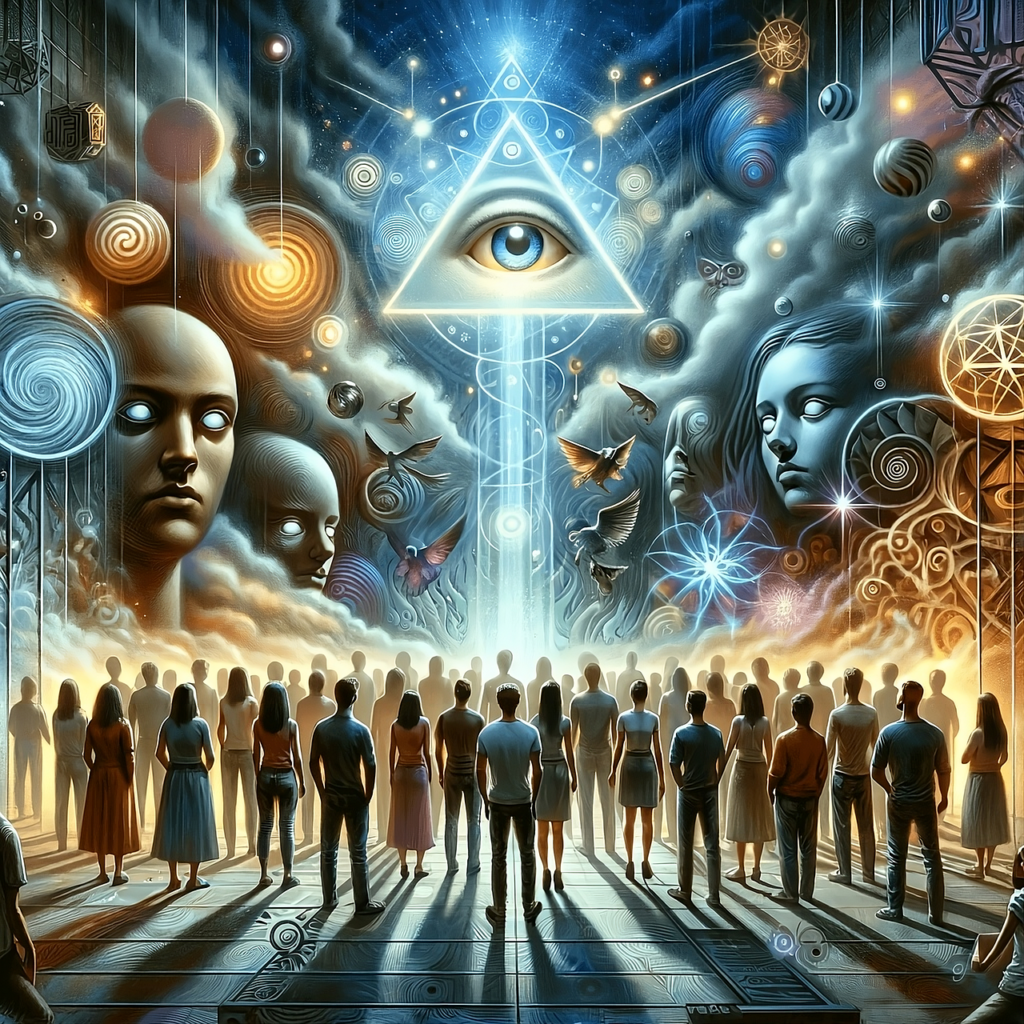
What Is the Illuminati?
The word “Illuminati” comes from the Latin illuminatus, meaning “enlightened.” Historically, the Illuminati refers to a secret society founded in 1776 in Bavaria (modern-day Germany) by Adam Weishaupt, a professor of canon law.
The Bavarian Illuminati
The original Bavarian Illuminati was created on May 1, 1776. Its primary goal was to promote Enlightenment ideals such as:
- Reason and rational thought
- Secularism
- Separation of church and state
- Freedom from religious and political oppression
- Intellectual and moral improvement
Weishaupt believed that superstition, religious dogma, and authoritarian rule were barriers to human progress. The Illuminati sought to influence educated elites and intellectuals who could gradually reform society from within.
However, the society did not last long. By the late 1780s, the Bavarian government banned secret organizations, fearing political unrest. The Illuminati was officially disbanded around 1785.
Despite its short existence, the legend of the Illuminati endured.
The Rise of Illuminati Conspiracy Theories
Although the original Illuminati dissolved in the 18th century, the idea of the Illuminati took on a life of its own.
Post-Revolutionary Europe
Following the French Revolution, some writers claimed that the Illuminati had secretly orchestrated the revolution. These allegations were largely speculative and lacked solid evidence, but they helped establish the Illuminati as a symbol of hidden power and global manipulation.
Modern Conspiracy Culture
In the 20th and 21st centuries, the Illuminati conspiracy theory became widespread, particularly through books, films, and the internet. Today, the Illuminati is often described as:
- A secret global elite controlling governments
- A shadow organization manipulating financial systems
- A hidden network influencing media and entertainment
- A group shaping world events through covert strategies
These claims are largely unverified and often categorized under conspiracy theory narratives.

What Areas Does the Illuminati Allegedly Focus On?
While the historical Illuminati focused on Enlightenment ideals, modern conspiracy theories attribute influence in several major areas.
1. Global Politics
One of the most common Illuminati claims is that it controls world governments. According to conspiracy narratives, influential politicians, diplomats, and policymakers are either members or influenced by this secret society.
The supposed goals in politics include:
- Establishing a “New World Order”
- Centralizing global power
- Weakening national sovereignty
- Controlling public opinion
However, no credible evidence confirms the existence of such coordinated global manipulation by a single secret society.
2. Finance and Banking
Another major theme in Illuminati mythology is financial control. The group is often accused of:
- Influencing central banks
- Manipulating stock markets
- Controlling global debt systems
- Dominating multinational corporations
These theories frequently link the Illuminati to powerful banking families or financial institutions. While wealth concentration and corporate influence are real-world concerns, connecting them directly to a secret Illuminati network remains speculative.
3. Entertainment and Pop Culture
Perhaps the most visible area associated with the Illuminati is entertainment.
Many conspiracy theorists believe the Illuminati influences:
- Hollywood films
- Music industry
- Celebrity culture
- Symbolism in media
Commonly cited symbols include:
- The all-seeing eye
- Pyramids
- Hand gestures
- Occult imagery
Artists and celebrities are sometimes accused of displaying “Illuminati symbols” in music videos or public appearances. In reality, much of this symbolism predates modern conspiracy narratives and often has historical or artistic origins unrelated to secret societies.
4. Media and Information Control
Another alleged focus is media manipulation. Some believe the Illuminati controls major news networks and digital platforms to:
- Shape public narratives
- Influence elections
- Spread propaganda
- Suppress certain information
While media bias and corporate ownership are legitimate topics of discussion, attributing global media coordination to a secret Illuminati network lacks verified proof.
5. Technology and Surveillance
In recent years, Illuminati conspiracy theories have expanded into technology. Claims include:
- Monitoring global communications
- Using artificial intelligence for social control
- Managing digital currencies
- Engineering societal behavior through algorithms
As technology grows more complex, it has become easier for conspiracy theories to incorporate digital systems into broader narratives of control.
Why Is the Illuminati So Popular?
The enduring popularity of the Illuminati concept can be attributed to several psychological and cultural factors.
1. Human Fascination with Secrets
People are naturally drawn to mysteries. Secret societies, hidden knowledge, and exclusive power structures create compelling narratives.
2. Simplification of Complex Problems
Global issues—economic inequality, political instability, financial crises—are complex. Conspiracy theories often provide simple explanations by assigning blame to a single hidden group.
3. Symbolism and Visual Power
The symbols associated with the Illuminati, such as the all-seeing eye, are visually striking and culturally resonant. These images fuel speculation and curiosity.
4. Internet Amplification
Social media and video-sharing platforms have accelerated the spread of Illuminati conspiracy theories. Algorithms often promote sensational content, giving such theories wider exposure.
The Impact of the Illuminati Myth
Even if the modern Illuminati does not exist as described in conspiracy narratives, the concept has had significant cultural impact.

1. Influence on Popular Culture
The Illuminati has inspired:
- Movies
- Novels
- Video games
- Music themes
- Fashion aesthetics
Books like Angels & Demons popularized the Illuminati in mainstream fiction. The group has become a symbol of intrigue and hidden power in storytelling.
2. Social and Political Distrust
Illuminati conspiracy theories contribute to broader skepticism toward institutions. In some cases, they reinforce:
- Distrust in governments
- Suspicion of media
- Doubt about financial systems
While healthy skepticism is valuable in democratic societies, extreme conspiratorial thinking can undermine constructive civic engagement.
3. Online Communities and Identity
Belief in the Illuminati often creates communities centered around shared suspicion of authority. These groups may provide a sense of belonging and shared purpose.
Is the Illuminati Important Today?
The answer depends on perspective.
Historically Important?
Yes. The original Bavarian Illuminati was part of the Enlightenment movement, which played a significant role in shaping modern democratic values, secularism, and intellectual freedom.
Although short-lived, the group reflected broader societal shifts toward rational thought and reform.
Important as a Cultural Symbol?
Absolutely. The Illuminati has become one of the most recognized secret society symbols in the world. It represents:
- Hidden power
- Elite influence
- Mystery and control
- Anti-establishment sentiment
In that sense, its symbolic power is undeniable.
Important as an Active Organization?
There is no credible evidence that a centralized, global Illuminati organization secretly controls world events today. Most claims fall under unverified conspiracy theories rather than documented fact.
Illuminati vs. Other Secret Societies
The Illuminati is often compared with:
- Freemasons
- Skull and Bones
- Rosicrucians
- Knights Templar
Unlike these groups—some of which still exist in documented form—the Bavarian Illuminati ceased operations in the 18th century.
However, confusion between different secret societies has fueled further speculation.
Psychological Aspects of Illuminati Belief
Understanding why people believe in the Illuminati involves psychology.
Pattern Recognition
Humans naturally look for patterns. When people see recurring symbols or events, they may connect them into a larger narrative.
Need for Control
Believing that a powerful group controls events can paradoxically feel more comforting than accepting randomness or systemic complexity.
Social Reinforcement
Online communities reinforce shared beliefs, strengthening commitment to conspiracy narratives.
The Illuminati in the Digital Age
In 2026 and beyond, the Illuminati continues to evolve as a concept.
Search engine trends show ongoing interest in topics like:
- “Is the Illuminati real?”
- “Illuminati symbols meaning”
- “Illuminati conspiracy explained”
- “New World Order secret society”
The digital era ensures that the Illuminati remains embedded in global pop culture.
Separating Fact from Fiction
To summarize clearly:
Documented Facts:
- Founded in 1776 in Bavaria
- Led by Adam Weishaupt
- Promoted Enlightenment ideals
- Disbanded around 1785
Unverified Claims:
- Global political control
- Financial system domination
- Celebrity membership networks
- New World Order planning
Distinguishing between historical documentation and modern speculation is crucial for an informed understanding.
Conclusion
The Illuminati began as an Enlightenment-era secret society advocating reason, secularism, and intellectual reform. Though short-lived, it left a lasting symbolic legacy. Over centuries, the term “Illuminati” transformed into a powerful cultural myth associated with global conspiracy theories, hidden elites, and secret power structures.
Today, the Illuminati is less a functioning organization and more a metaphor—a symbol representing fears about concentrated power, institutional secrecy, and elite influence. Whether viewed as historical curiosity or conspiracy icon, its impact on popular culture, political discourse, and internet narratives is undeniable.
Understanding the Illuminati requires balancing historical fact with cultural analysis. While there is no solid evidence supporting claims of a modern, all-powerful secret society controlling the world, the idea itself remains deeply influential.
In the end, the Illuminati tells us as much about human psychology and societal anxieties as it does about history.