

Beyond the Horizon: The Ultimate Guide to Travel & Adventure
The call of the wild is a primitive urge that resides deep within the human psyche. Since the dawn of time, humans have been migratory beings, crossing vast oceans, scaling insurmountable mountains, and traversing arid deserts in search of new horizons. In the modern era, travel has evolved from a necessity of survival into a pursuit of soul-searching, adrenaline-pumping discovery. Adventure travel isn’t just about visiting a new place; it’s about challenging your comfort zone, expanding your worldview, and connecting with the raw, unfiltered beauty of our planet.
In this comprehensive guide, we will explore the multifaceted world of travel and adventure. From the snow-capped peaks of the Himalayas to the lush biodiversity of the Amazon rainforest, we will dive into why we travel, how to prepare for the unknown, and the ways we can explore the world responsibly.
The Psychology of Adventure: Why We Crave the Unknown
What drives a person to jump out of a plane, trek for days in freezing temperatures, or navigate a foreign city where they don’t speak the language? Psychologists often point to the concept of “The Flow State”—a mental state of operation in which a person performing an activity is fully immersed in a feeling of energized focus. Adventure provides the perfect environment for achieving this state.
1. Breaking the Monotony
Routine can be the enemy of creativity. When we stay in one place, our brains switch to autopilot. Adventure forces us to engage with our surroundings. Every street corner is a new puzzle; every mountain trail is a physical dialogue between the body and the earth. This sensory overload reboots our cognitive processes and fosters a sense of rejuvenation.
2. Resilience and Growth
Adventure is rarely convenient. There are missed flights, heavy rains, language barriers, and physical exhaustion. However, it is within these challenges that true personal growth occurs. Overcoming a difficult situation in a remote part of the world builds a level of self-efficacy that stays with you long after you return home.
Defining the Modern Adventurer
Adventure is subjective. For some, it’s a grueling 20-mile hike; for others, it’s trying a local delicacy in a street market in Bangkok. Generally, adventure travel is categorized into two main types:
Soft Adventure
These activities involve a lower level of physical risk and require little to no previous experience. Examples include bird watching, architectural tours, photography expeditions, or moderate hiking. Soft adventure focuses more on cultural immersion and environmental appreciation without the extreme physical toll.
Hard Adventure
Hard adventure involves high-risk activities that require physical prowess and specialized skills. This includes mountaineering, white-water rafting, scuba diving in deep caves, or trekking through remote wilderness areas. These activities often push the limits of human endurance and require meticulous planning and high-quality gear.
Iconic Destinations for the Global Explorer
The world is vast, but certain locations have become legendary in the community of travelers for their unique landscapes and the challenges they offer.
1. Patagonia, Chile & Argentina
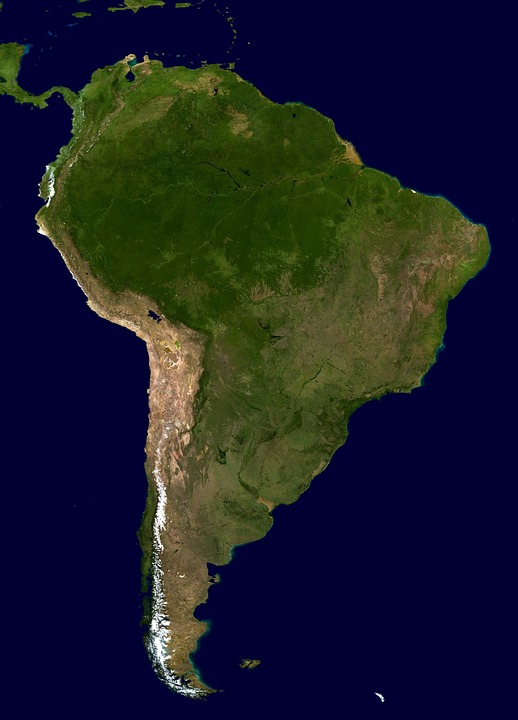
Located at the southern tip of South America, Patagonia is a land of dramatic granite spires, sprawling glaciers, and turquoise lakes. The “W-Trek” in Torres del Paine is a bucket-list item for hikers. The unpredictable weather—often described as “four seasons in one day”—adds an extra layer of adventure to the experience.
2. Nepal: The Roof of the World
Home to eight of the world’s fourteen highest peaks, Nepal is the spiritual home of mountaineering. Whether you are trekking to Everest Base Camp or exploring the Annapurna Circuit, the combination of high-altitude physical challenge and the profound spiritual atmosphere of the Buddhist monasteries makes Nepal a transformative destination.
3. Iceland: The Land of Fire and Ice
Iceland offers a landscape that feels extraterrestrial. With its active volcanoes, massive glaciers, and cascading waterfalls, it is a playground for those who love the raw power of nature. Driving the Ring Road allows travelers to witness the Aurora Borealis in the winter or the Midnight Sun in the summer.
4. New Zealand: The Adventure Capital
Queenstown, New Zealand, is often cited as the adventure capital of the world. It is the birthplace of commercial bungee jumping and offers everything from skydiving and jet boating to world-class skiing. The diverse landscape—ranging from fjords to temperate rainforests—makes it a dream for outdoor enthusiasts.
Essential Preparation: How to Gear Up
Success in adventure travel is 30% physical ability and 70% preparation. Without the right gear and planning, an adventure can quickly turn into a dangerous situation.
Physical Conditioning
Before embarking on a trek or a multi-day kayak trip, it’s vital to train your body. This doesn’t just mean cardio; it means functional strength. If you’re hiking with a 30lb pack, your training should include weighted walks. If you’re heading to high altitudes, focus on cardiovascular health to maximize oxygen efficiency.
The Golden Rule of Gear: Layering
In the wild, your clothing is your shelter. The layering system is essential:
- Base Layer: Moisture-wicking fabric (like Merino wool) to keep sweat away from your skin.
- Mid Layer: Insulating material (fleece or down) to trap body heat.
- Outer Layer: A waterproof and windproof shell to protect you from the elements.
Technology and Safety
While we travel to disconnect, technology can be a lifesaver. A GPS satellite communicator (like a Garmin inReach) allows you to send SOS signals and messages even when there is no cell service. Always carry a physical map and compass as a backup, and ensure someone back home knows your itinerary.
Sustainable and Ethical Adventure Travel
As more people seek out remote locations, the environmental and cultural impact of travel increases. Responsible adventure travel is no longer optional; it is a necessity to preserve the world for future generations.
Leave No Trace
The “Leave No Trace” principles are the gold standard for outdoor ethics. This includes disposing of waste properly, leaving what you find, minimizing campfire impacts, and respecting wildlife. Every traveler should aim to leave a destination better than they found it.
Supporting Local Economies
True adventure involves the people who live in the destinations we visit. Instead of staying in international hotel chains, opt for local guesthouses. Hire local guides—they not only have superior knowledge of the terrain but also benefit directly from your visit. This ensures that the wealth generated by tourism stays within the community.
The Problem of Over-tourism
Some of the world’s most beautiful spots, like Machu Picchu or the islands of Thailand, are suffering from their own popularity. Consider “destination displacement”—visiting lesser-known but equally beautiful locations to reduce the strain on famous landmarks.
The Rise of Solo Adventure Travel
In recent years, solo travel has surged in popularity. Traveling alone is the ultimate test of independence. It forces you to make every decision, from navigating a train station to deciding where to eat. This independence fosters a deep sense of confidence.
For solo adventurers, safety is paramount. Researching local customs, staying in reputable hostels, and keeping a digital trail of your location are key strategies. Solo travel also makes you more approachable, often leading to more meaningful interactions with locals and fellow travelers than if you were in a large group.
Budgeting for Your Great Escape
Adventure doesn’t have to cost a fortune. Some of the most profound experiences—like camping under the stars in a national park—cost very little. To stretch your budget:
- Travel in the Shoulder Season: The period between peak and off-peak seasons offers lower prices and fewer crowds.
- Use Reward Points: Leverage travel credit cards for flights and accommodation.
- Slow Travel: Staying longer in one place reduces transportation costs and allows for a deeper connection with the location.
Conclusion
Travel and adventure are more than just hobbies; they are a lifestyle choice that prioritizes experience over possessions. Whether you are trekking through the Andes, diving into the Great Barrier Reef, or simply exploring a new city on foot, the act of stepping out into the world changes you. It strips away the superficial layers of daily life and reminds you of your place in the vast, interconnected web of existence.
The world is a book, and those who do not travel read only one page. So, pack your bags, lace up your boots, and head toward the horizon. The adventure of a lifetime is waiting for you, just beyond your comfort zone. Remember that the goal isn’t just to see the world, but to see it with new eyes.
Frequently Asked Questions (FAQs)


![[keyword]](https://learnxyz.in/wp-content/uploads/2026/03/ईरान-इज़राइल-युद्ध-छिड़-गई-है-जंग-अरे-बाप-रे.png)