
War on Iran by USA and Israel: Understanding the Rising Tensions
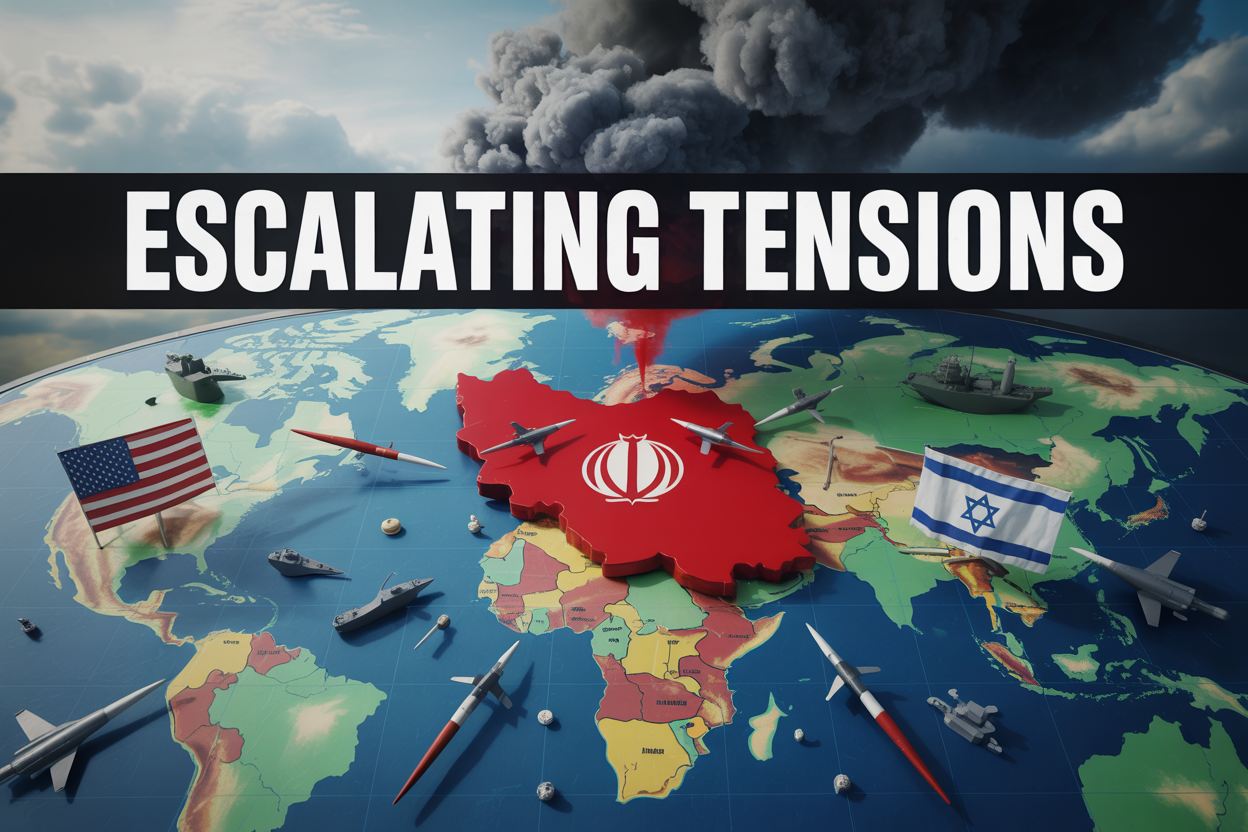
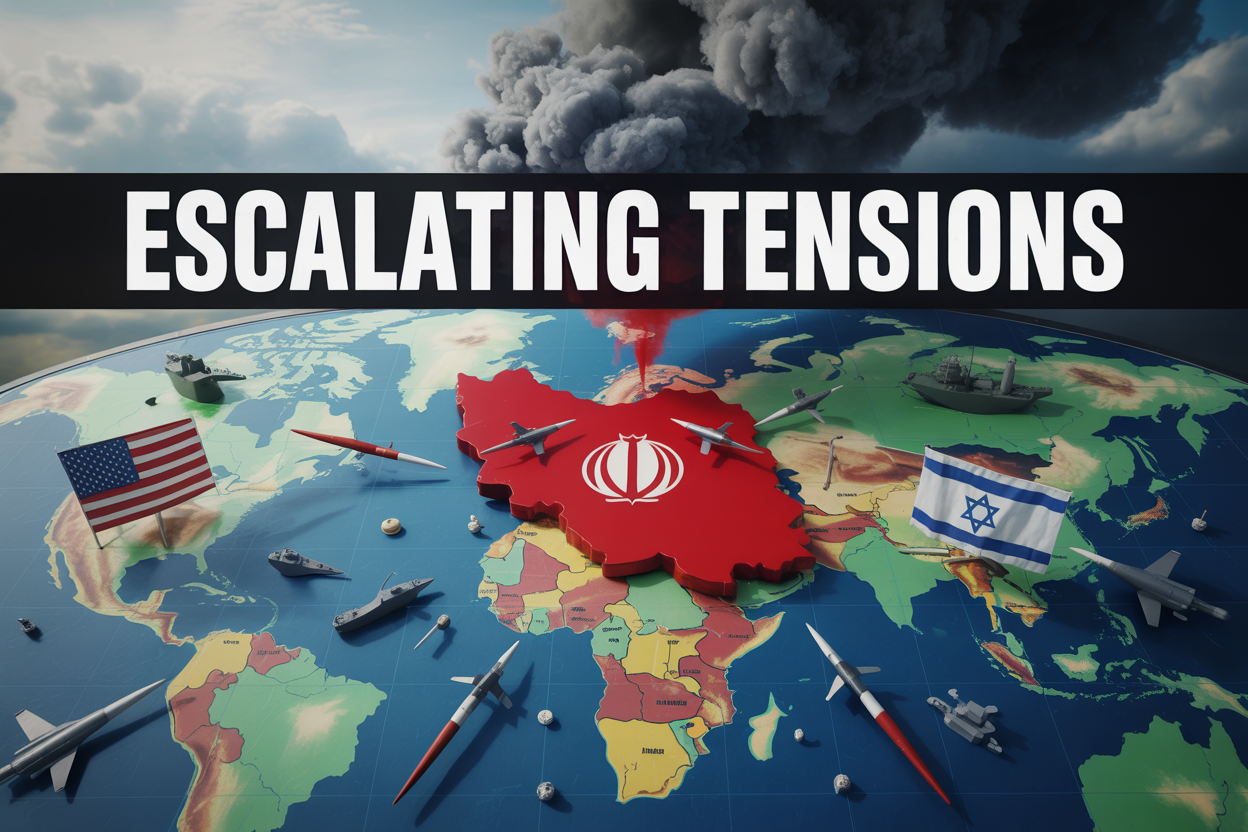
The complex web of Iran US relations and the escalating Israel Iran conflict has reached a critical point that could reshape the entire Middle East. This analysis is written for policy watchers, news consumers, and anyone trying to understand why diplomatic tensions Iran US Israel have intensified dramatically in recent years.
The relationship between these three nations goes far beyond simple disagreements. We’re looking at decades of mistrust, competing regional interests, and fundamentally different visions for Middle Eastern power structures. The Iran nuclear program dispute has become just one flashpoint in a much larger strategic competition.
We’ll examine how Iran sanctions economic impact has created a form of economic warfare that affects millions of ordinary people. You’ll also learn about the complex network of proxy wars Middle East conflicts that have turned countries like Syria, Yemen, and Lebanon into battlegrounds for competing influences.
Finally, we’ll break down Iran Israel military capabilities and explore realistic scenarios for potential war Iran consequences. Understanding these dynamics isn’t just academic—the decisions made by leaders in Washington, Tel Aviv, and Tehran could determine whether the region faces another devastating conflict or finds a path toward stability.
Historical Context of US-Israel Relations with Iran
Pre-1979 Revolution Alliance Dynamics
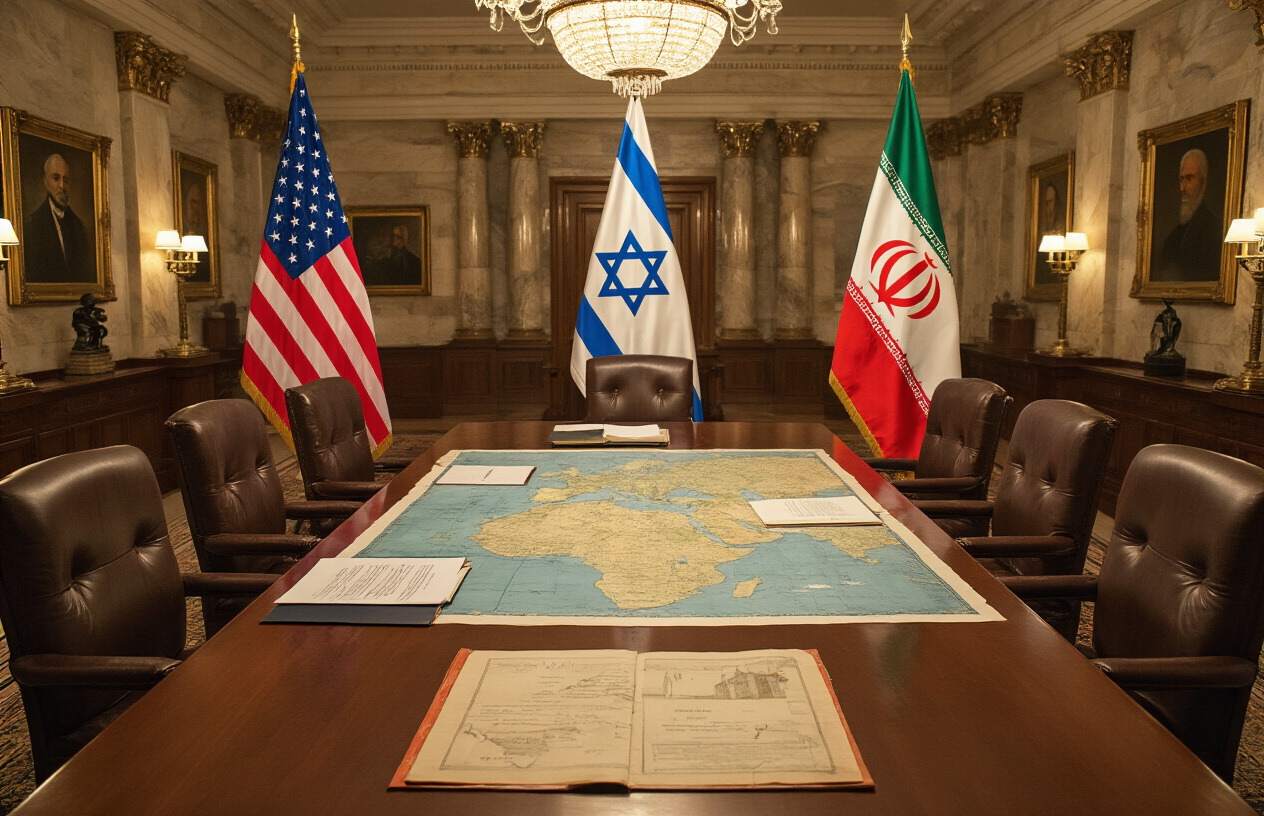
Before 1979, Iran served as a crucial strategic partner for both the United States and Israel in the Middle East. The Shah’s regime maintained close military and intelligence cooperation with Washington, positioning Iran as America’s regional policeman against Soviet influence. Israeli-Iranian relations flourished during this period, with extensive arms deals, agricultural partnerships, and intelligence sharing defining the relationship.
The Shah purchased billions of dollars worth of American military equipment, including F-14 Tomcats and sophisticated radar systems. Israel provided military training and sold weapons to Iran, while Iranian oil flowed to Israeli refineries. This triangular partnership created a powerful anti-Soviet bloc in the region, with Iran acting as a buffer against communist expansion in Southwest Asia.
Intelligence cooperation reached unprecedented levels, with SAVAK (Iran’s secret police) receiving training from both CIA and Mossad operatives. Joint operations targeted Soviet interests across the region, while Israel used Iranian territory for intelligence gathering against Arab states. The relationship seemed unbreakable, built on shared strategic interests and mutual economic benefits.
Impact of Islamic Revolution on Regional Power Balance
The 1979 Islamic Revolution completely transformed Iran US relations and shattered the existing Middle Eastern power structure. Ayatollah Khomeini’s rise to power eliminated America’s most reliable regional ally overnight, creating a strategic vacuum that reverberates to this day.
Iran’s new revolutionary government immediately severed ties with Israel, declaring the Jewish state an illegitimate entity. The slogan “Death to America, Death to Israel” became a rallying cry, fundamentally altering regional dynamics. Revolutionary guards seized American military equipment worth billions, while diplomatic hostages remained captive for 444 days.
The power shift forced Arab states to recalibrate their strategies. Some, like Saudi Arabia, moved closer to Washington to counter Iranian influence. Others saw opportunities to play both sides. The Iran Israel conflict emerged as a defining feature of Middle Eastern geopolitics, replacing the Arab-Israeli conflict as the region’s primary source of tension.
Revolutionary Iran began exporting its ideology through proxy groups, challenging existing monarchies and secular governments. This ideological export created new fault lines across the region, from Lebanon to Yemen, establishing patterns of proxy warfare that continue today.
Evolution of Sanctions and Diplomatic Isolation
Economic warfare against Iran began almost immediately after the revolution, starting with asset freezes and trade restrictions. The hostage crisis triggered the first comprehensive American sanctions, targeting Iranian oil exports and financial institutions.
Sanctions evolved from targeted measures into comprehensive economic isolation over four decades. Banking restrictions cut Iran from international financial systems, while technology transfers stopped completely. Oil exports, Iran’s economic lifeline, faced continuous pressure through secondary sanctions threatening third-party buyers.
| Decade | Key Sanctions | Impact |
|---|---|---|
| 1980s | Arms embargo, asset freeze | Limited military modernization |
| 1990s | Comprehensive trade ban | Reduced oil revenue |
| 2000s | Financial isolation | Banking system collapse |
| 2010s | Nuclear-related sanctions | Economic recession |
The sanctions regime expanded beyond bilateral measures to include multilateral coordination through the UN and European Union. Iran sanctions economic impact reached every sector, from aviation to pharmaceuticals, creating widespread hardship while strengthening hardliner positions within the regime.
Diplomatic isolation accompanied economic pressure, with Iran excluded from most international forums. The country’s regional activities became increasingly clandestine, relying on proxy networks and black market channels to maintain influence.
Key Flashpoint Events Shaping Current Tensions
Several critical incidents transformed sporadic tensions into sustained hostility between Iran, the US, and Israel. The 1983 Beirut bombings, attributed to Iranian-backed Hezbollah, killed 241 American servicemen and marked Iran’s entry into asymmetric warfare against American interests.
The Iran-Contra affair exposed secret American arms sales to Iran during the 1980s, revealing the complex nature of Iran US relations even during periods of public hostility. This scandal demonstrated how strategic necessities sometimes override ideological differences, creating lasting mistrust on all sides.
Israeli operations against Iranian targets escalated throughout the 2000s, including the Stuxnet cyber attack on nuclear facilities and assassinations of Iranian scientists. These covert actions established precedents for direct confrontation while maintaining plausible deniability.
The 2020 assassination of Qasem Soleimani by American forces marked a new phase in direct confrontation. Iran’s ballistic missile response against US military bases in Iraq demonstrated escalatory potential while avoiding full-scale war. This incident showcased how proxy conflicts could rapidly evolve into direct military confrontation.
Recent drone attacks on commercial shipping and oil facilities have created new flashpoints, with each side testing the other’s red lines. These events continue shaping diplomatic tensions Iran US Israel relations, creating cycles of retaliation that bring the region closer to broader conflict.
Current Military Capabilities and Strategic Positioning
US Military Presence in Middle Eastern Region
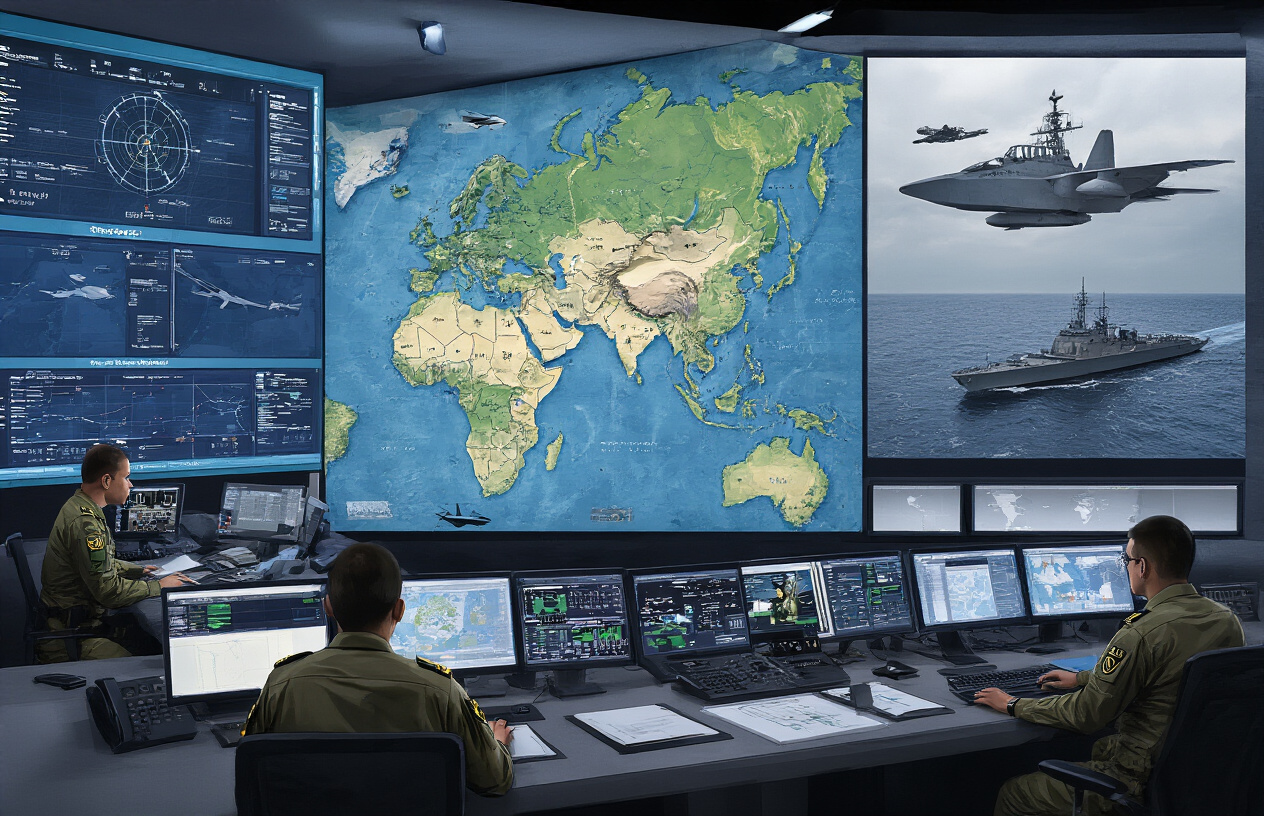
The United States maintains an extensive military footprint across the Middle East, creating a strategic containment network around Iran. This presence includes major naval operations in the Persian Gulf, where the Fifth Fleet operates from Bahrain, constantly monitoring Iranian maritime activities. The USS Abraham Lincoln and other carrier strike groups regularly patrol these waters, projecting American power directly at Iran’s doorstep.
American military installations span from Kuwait’s Camp Arifjan to Qatar’s Al Udeid Air Base, housing advanced fighter jets, surveillance equipment, and rapid response forces. These US military bases Middle East serve as launching points for potential operations while supporting ongoing intelligence gathering on Iranian military movements. The Pentagon has invested heavily in missile defense systems across the region, including THAAD batteries in the UAE and Patriot systems in Saudi Arabia.
Recent deployments have seen B-52 bombers and F-35 stealth fighters rotating through regional bases, sending clear signals about American readiness for potential conflict. The military buildup includes cyber warfare capabilities and electronic surveillance systems designed to penetrate Iranian communications networks.
Israeli Defense Systems and Nuclear Deterrent
Israel’s military apparatus represents one of the world’s most sophisticated defense networks, specifically designed to counter regional threats. The Iron Dome system has proven remarkably effective against short-range projectiles, while the Arrow and David’s Sling systems provide protection against medium and long-range missiles that Iran might deploy.
The Israeli Defense Forces maintain cutting-edge intelligence capabilities, with Unit 8200 conducting extensive cyber operations against Iranian infrastructure. Israel’s nuclear program, though officially unacknowledged, provides a powerful deterrent factor in any Israel Iran conflict scenario. Estimates suggest Israel possesses between 80-400 nuclear warheads, delivered via submarines, aircraft, or land-based missiles.
Israeli military doctrine emphasizes preemptive strikes and technological superiority. Their air force regularly conducts operations across Syrian territory, targeting Iranian weapons shipments and military installations. The Iran Israel military capabilities gap continues widening as Israel invests in next-generation weapons systems, including laser-based missile defense and autonomous warfare platforms.
Iranian Revolutionary Guard and Proxy Networks
Iran’s military strategy relies heavily on asymmetric warfare through the Islamic Revolutionary Guard Corps (IRGC) and extensive proxy networks across the region. The IRGC operates independently from Iran’s regular military, controlling elite Quds Force units that coordinate with allied militias throughout Iraq, Syria, Lebanon, and Yemen.
Hezbollah in Lebanon represents Iran’s most powerful proxy, possessing an estimated 150,000 rockets and missiles capable of reaching deep into Israeli territory. The organization has gained significant combat experience in Syria, transforming from a guerrilla movement into a formidable military force. Iranian-backed militias in Iraq, including Kata’ib Hezbollah and Asa’ib Ahl al-Haq, control substantial territory and maintain significant political influence.
The proxy wars Middle East strategy allows Iran to project power without direct confrontation, creating multiple pressure points against American and Israeli interests. Yemen’s Houthi rebels have demonstrated this approach effectively, launching drone and missile attacks on Saudi infrastructure while maintaining plausible deniability for Tehran.
| Iranian Proxy Groups | Location | Estimated Forces | Primary Capabilities |
|---|---|---|---|
| Hezbollah | Lebanon | 100,000+ | Rockets, missiles, ground forces |
| PMF Militias | Iraq | 140,000+ | Ground forces, political influence |
| Houthis | Yemen | 200,000+ | Drones, missiles, naval capabilities |
| Various Militias | Syria | 80,000+ | Ground support, weapons smuggling |
Iran’s domestic military capabilities include ballistic missiles with ranges exceeding 2,000 kilometers, capable of reaching Israeli cities and American bases throughout the region. The country has developed indigenous drone technology and maintains substantial ground forces, though these pale in comparison to American and Israeli technological advantages.
Economic Warfare Through Sanctions and Blockades
Banking System Restrictions and SWIFT Exclusions
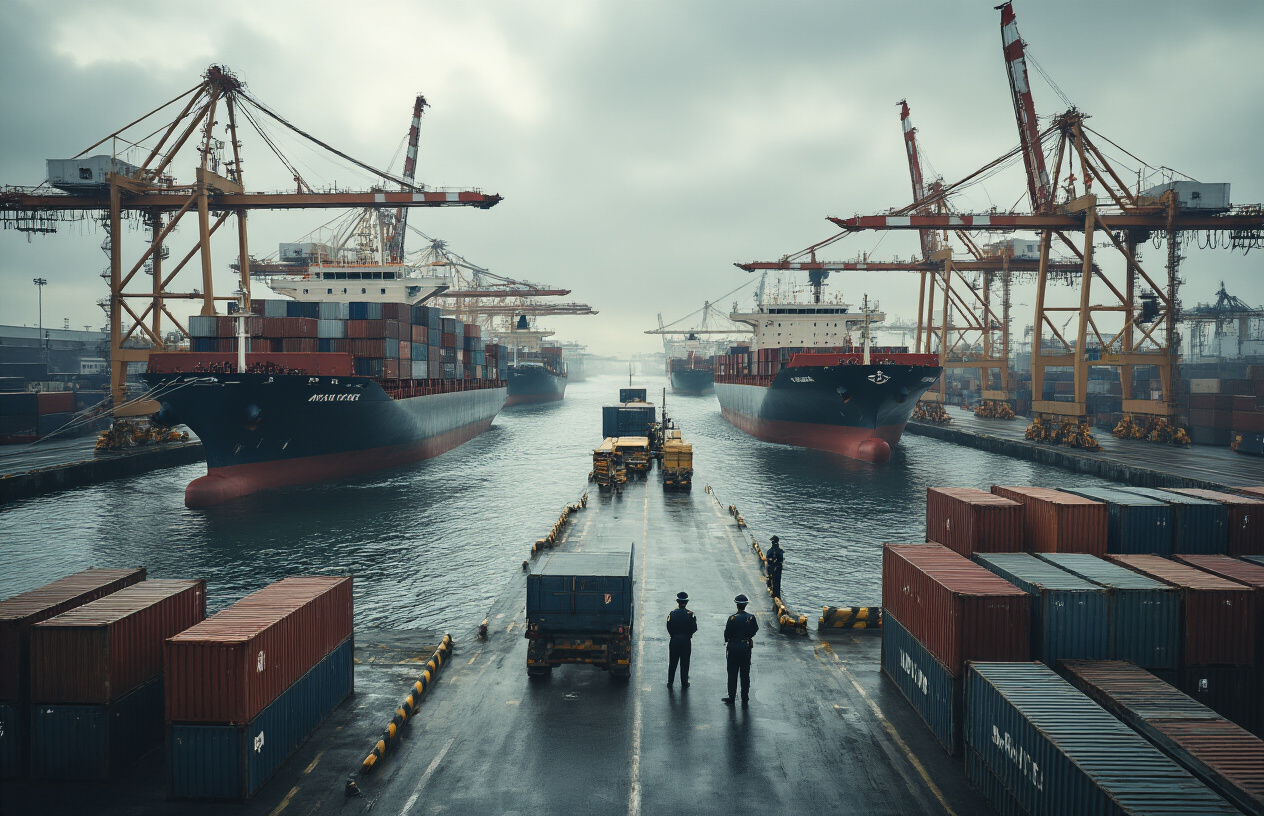
Iran sanctions economic impact has been devastating since major Iranian banks were cut off from SWIFT, the global financial messaging system that enables international transactions. This digital blockade effectively isolated Iran from the world’s banking networks, making it nearly impossible for Iranian businesses to conduct legitimate international trade.
The Treasury Department’s Office of Foreign Assets Control (OFAC) maintains an extensive list of sanctioned Iranian financial institutions, including the Central Bank of Iran. European banks face massive penalties for processing Iranian transactions, with several major institutions paying billions in fines for violating these restrictions. Even humanitarian transactions for medical supplies often get blocked due to overcompliance by nervous financial institutions.
Iranian banks have been forced to develop alternative payment systems and rely on barter arrangements with trading partners. The country has strengthened ties with Russian and Chinese banking systems, though these workarounds remain limited and cumbersome compared to the global SWIFT network.
Oil Export Limitations and Energy Market Impact
Iran’s oil exports have plummeted from over 2.5 million barrels per day before sanctions to around 800,000 barrels during peak restriction periods. The US “maximum pressure” campaign aimed to reduce Iranian oil exports to zero, though complete success proved elusive as Iran found creative ways to circumvent restrictions.
| Period | Daily Oil Exports | Revenue Impact |
|---|---|---|
| Pre-2010 | 2.5 million barrels | $100+ billion annually |
| 2012-2015 | 1.0 million barrels | $40 billion annually |
| 2018-2020 | 0.3-0.8 million barrels | $15-30 billion annually |
Iran has resorted to ship-to-ship transfers in international waters, flag switching, and turning off GPS transponders to hide oil shipments. China remains Iran’s largest oil customer, often ignoring US secondary sanctions threats. The energy market impact extends beyond Iran, as removing Iranian supply creates upward pressure on global oil prices, affecting consumers worldwide.
Technology Transfer Prohibitions
American technology companies cannot sell products to Iranian entities, creating a digital divide that affects everything from smartphones to industrial equipment. Iran struggles to access advanced semiconductor technology, cloud computing services, and software updates that most countries take for granted.
The restrictions cover dual-use technologies that could have both civilian and military applications. Iranian universities cannot collaborate on research projects with American institutions, and Iranian students face visa restrictions for studying certain technical subjects. Even humanitarian organizations working in Iran struggle to access communication technologies needed for their operations.
Iran has invested heavily in developing domestic tech capabilities, launching its own satellite internet constellation and creating local alternatives to banned social media platforms. However, these substitutes often lag significantly behind global standards in terms of functionality and security.
Humanitarian Consequences for Iranian Citizens
Regular Iranians bear the heaviest burden of economic warfare, facing skyrocketing inflation rates that peaked above 40% in recent years. The value of the Iranian rial has collapsed, making imported goods unaffordable for most families. Middle-class Iranians who once enjoyed comfortable lifestyles now struggle with basic necessities.
Medical supplies face particular challenges despite humanitarian exemptions. Pharmaceutical companies avoid dealing with Iran due to banking restrictions, leading to shortages of specialized medications for cancer patients, diabetics, and those requiring rare disease treatments. Iranian patients have died from lack of access to medicines readily available elsewhere.
Brain drain accelerated as educated professionals seek opportunities abroad. Young Iranians face limited career prospects in an economy cut off from global markets. Small businesses that once exported goods internationally have shuttered, creating unemployment that ripples through entire communities. The sanctions have essentially created a parallel economy where black market activities flourish while legitimate businesses wither.
Proxy Conflicts and Regional Destabilization
Syrian Civil War Involvement
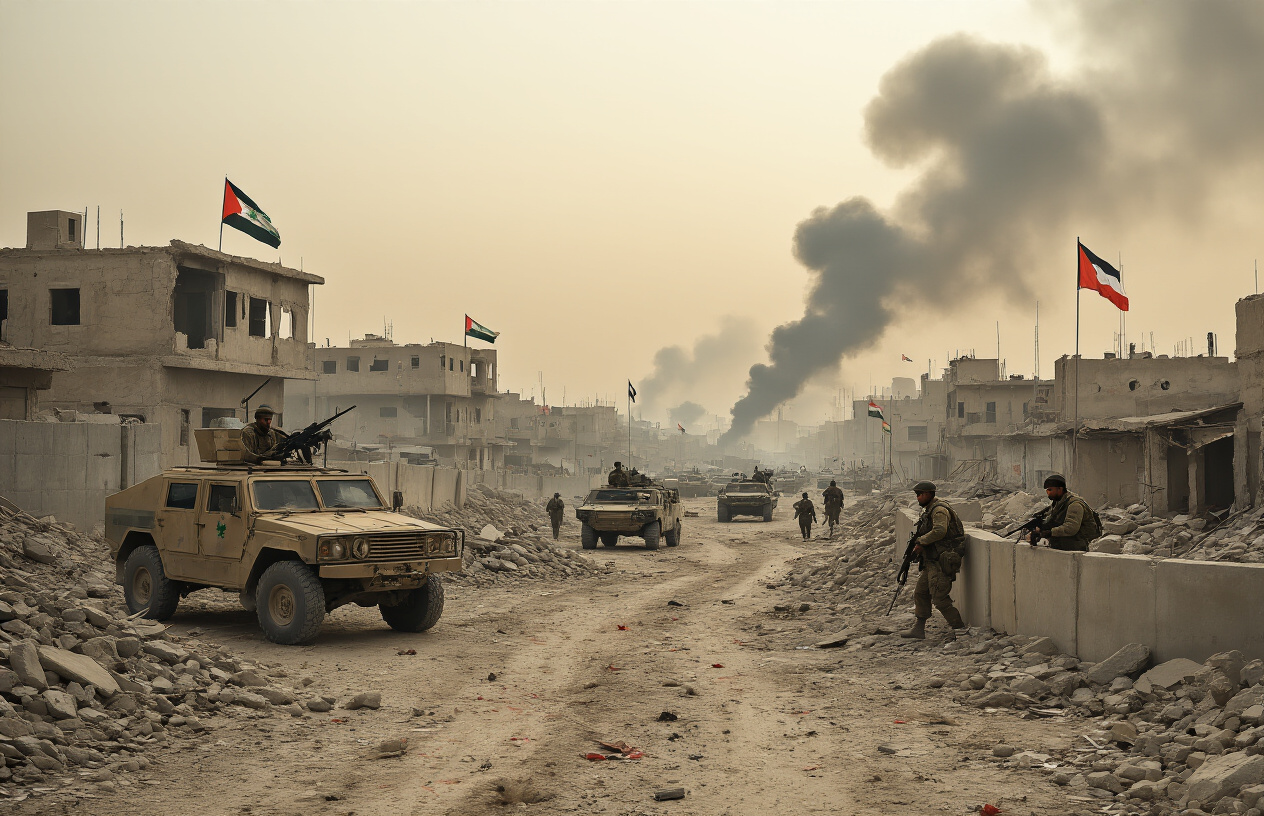
The Syrian conflict has become a major battleground for proxy wars Middle East tensions, with Iran and its adversaries supporting opposite sides. Iran has provided substantial military support to the Assad regime through the Islamic Revolutionary Guard Corps (IRGC) and affiliated militias. This support includes weapons, training, and direct military personnel deployment.
Israel has conducted hundreds of airstrikes against Iranian positions and weapons shipments in Syria, viewing Iran’s presence as an existential threat. These strikes target Iranian military installations, weapons convoys bound for Hezbollah, and advanced missile systems. The US has maintained a military presence in eastern Syria, primarily to counter ISIS but also to limit Iranian influence in the region.
Iranian-backed militias from Iraq, Afghanistan, and Pakistan have fought alongside Syrian government forces, creating a network of regional destabilization Iran orchestrates across multiple countries. This proxy network allows Iran to project power without direct confrontation with Israeli or American forces.
Yemen Conflict Dynamics
The Yemen war represents another crucial proxy battlefield where Iran supports the Houthis against the Saudi-led coalition backed by the United States. Iranian weapons transfers to the Houthis include ballistic missiles, drones, and naval mines that have disrupted Red Sea shipping routes.
The conflict showcases Iran’s ability to challenge regional stability through asymmetric warfare. Houthi attacks on Saudi oil facilities and international shipping demonstrate how proxy conflicts can have global economic implications. The US has provided intelligence and logistical support to Saudi Arabia while attempting to limit civilian casualties.
Iranian military advisors have helped the Houthis develop sophisticated attack capabilities, transforming them from a local rebel group into a formidable military force capable of striking deep into Saudi territory. This transformation highlights Iran’s expertise in training and equipping proxy forces.
Lebanon and Hezbollah Operations
Hezbollah represents Iran’s most successful proxy organization and poses the greatest threat to Israel along its northern border. The group has amassed an estimated 150,000 rockets and missiles, creating a deterrent balance with Israel. Iran provides approximately $700 million annually to Hezbollah for weapons, training, and social services.
The organization operates as both a political party in Lebanese government and a military force stronger than the Lebanese army. Israeli intelligence estimates that Hezbollah can launch 3,000 rockets daily in any future conflict, potentially overwhelming Israeli air defense systems.
Recent border tensions have escalated since October 2023, with daily exchanges of fire between Hezbollah and Israeli forces. The Iran Israel conflict dynamics play out through this proxy relationship, as both sides test each other’s resolve without direct confrontation.
Iraqi Militia Group Activities
Iran sponsors numerous Shia militia groups in Iraq, collectively known as the Popular Mobilization Forces (PMF). These groups gained prominence fighting ISIS but have since focused on pressuring American forces to leave Iraq. The militias regularly attack US bases with rockets and drones, maintaining plausible deniability for Iran.
Key Iranian-backed groups include Kata’ib Hezbollah, Asaib Ahl al-Haq, and the Badr Organization. These militias control significant territory and have integrated into Iraq’s security apparatus, giving Iran substantial influence over Iraqi politics and security decisions.
The US military bases Middle East presence in Iraq remains vulnerable to these proxy attacks, which have killed American contractors and military personnel. Iran uses these groups to maintain pressure on US forces while avoiding direct military confrontation.
Gaza Strip Military Support
Iran provides weapons, funding, and training to Palestinian militant groups in Gaza, including Hamas and Palestinian Islamic Jihad. This support includes rocket technology, tunnel construction expertise, and financial assistance for military operations against Israel.
Iranian weapons smuggled into Gaza have increased the range and accuracy of Palestinian rockets, enabling strikes deep into Israeli territory. The support network operates through various channels, including Sudan, Egypt, and maritime smuggling routes.
During conflicts between Israel and Gaza militant groups, Iran coordinates propaganda campaigns and provides strategic guidance while maintaining distance from direct involvement. This approach allows Iran to support anti-Israeli activities while avoiding immediate retaliation from Israeli forces.
The regional destabilization Iran promotes through these proxy relationships creates multiple pressure points against US and Israeli interests, forcing them to address threats across various fronts simultaneously rather than focusing resources on direct confrontation with Iran itself.
Nuclear Program Disputes and Diplomatic Failures
JCPOA Agreement Breakdown Analysis
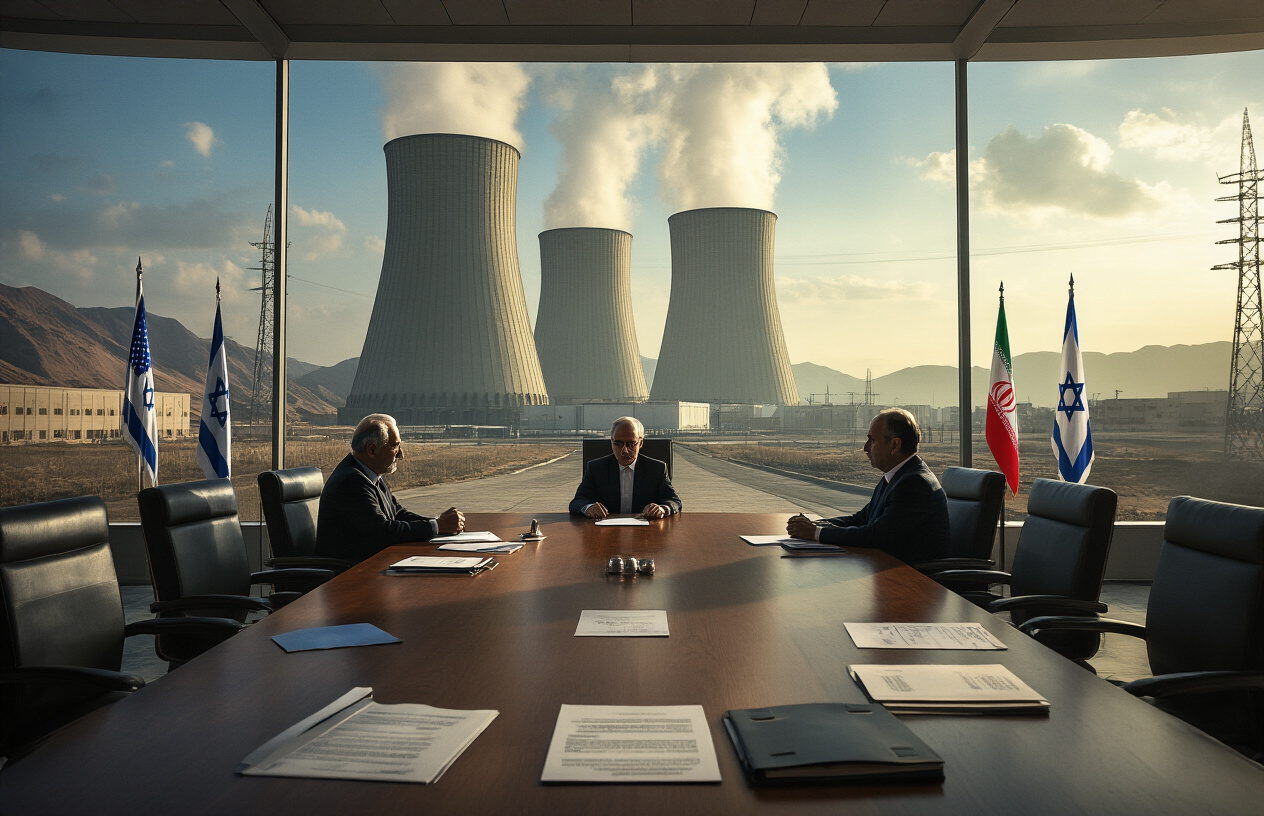
The Joint Comprehensive Plan of Action, signed in 2015, represented the most significant diplomatic breakthrough in the Iran nuclear program dispute since the country’s atomic ambitions became public. Under President Obama’s administration, the agreement lifted crippling economic sanctions in exchange for Iran’s commitment to limit uranium enrichment and allow international inspections.
The deal’s collapse began when President Trump withdrew the United States in May 2018, reinstating harsh sanctions despite Iran’s compliance with the agreement’s terms. European allies attempted to maintain the framework through alternative financial mechanisms, but American secondary sanctions made meaningful economic relief impossible for Tehran.
Iran’s response was gradual but decisive. Starting in 2019, the country began exceeding uranium stockpile limits and enrichment levels specified in the JCPOA. Each violation was announced as a reversible step, contingent on sanctions relief that never materialized. The assassination of nuclear scientist Mohsen Fakhrizadeh in November 2020, widely attributed to Israel, further poisoned diplomatic prospects.
Biden’s presidency brought renewed diplomatic efforts, but talks in Vienna stalled repeatedly. Iran’s political landscape shifted with hardliner Ebrahim Raisi’s election, making concessions more difficult. The Islamic Republic demanded guarantees that future American administrations wouldn’t withdraw from any revised agreement—something Washington couldn’t credibly provide.
Uranium Enrichment Escalation Concerns
Iran’s uranium enrichment activities have become the most visible flashpoint in diplomatic tensions Iran US Israel triangle. Before the JCPOA breakdown, Iran maintained enrichment levels at 3.67% purity, suitable for civilian nuclear power but far from weapons-grade material requiring 90% enrichment.
Current enrichment levels tell a different story. Iran now enriches uranium to 60% purity—a short technical step from weapons-grade material. The country’s stockpile has grown exponentially, with the International Atomic Energy Agency reporting enough enriched uranium to produce several nuclear weapons if further processed.
The installation of advanced centrifuges has dramatically accelerated Iran’s enrichment capabilities. IR-6 centrifuges operate ten times faster than older models, reducing the theoretical “breakout time” to produce weapons-grade material from one year to potentially weeks. This timeline shift has intensified Israeli concerns about military preemption.
| Enrichment Level | Purpose | Current Iranian Capacity |
|---|---|---|
| 3.5% | Power reactors | Exceeded |
| 20% | Research reactors | Significantly exceeded |
| 60% | No civilian use | Active production |
| 90% | Weapons grade | Technically achievable |
Iran justifies higher enrichment as necessary for medical isotope production and research reactor fuel, but these applications require minimal quantities compared to current stockpiles.
International Monitoring and Verification Challenges
The breakdown of diplomatic engagement has severely compromised international monitoring of Iran’s nuclear activities. The IAEA previously maintained comprehensive oversight through regular inspections, continuous monitoring equipment, and real-time data transmission from key facilities.
Iran’s cooperation with international inspectors has deteriorated significantly since 2021. The country suspended voluntary implementation of the Additional Protocol, limiting surprise inspections of undeclared sites. Monitoring cameras at enrichment facilities were removed or disabled, creating information gaps about Iran’s nuclear activities.
Several sites remain off-limits to international inspectors, including military facilities suspected of housing nuclear research. Iran’s refusal to explain uranium traces found at undeclared locations has created additional friction with the IAEA. The agency’s quarterly reports now contain numerous gaps marked as “information not available” or “access denied.”
The monitoring crisis extends beyond technical oversight to fundamental questions about Iran’s nuclear intentions. Without comprehensive verification, the international community operates with incomplete intelligence about the true scope and direction of Iran’s nuclear program. This uncertainty feeds worst-case scenario planning in both Washington and Tel Aviv, increasing the likelihood of miscalculation or preemptive military action.
Regional destabilization Iran fears have grown as neighboring countries consider their own nuclear options in response to Iran’s advancing capabilities, creating the potential for a Middle Eastern nuclear arms race that could fundamentally alter the region’s strategic balance.
Potential Military Escalation Scenarios
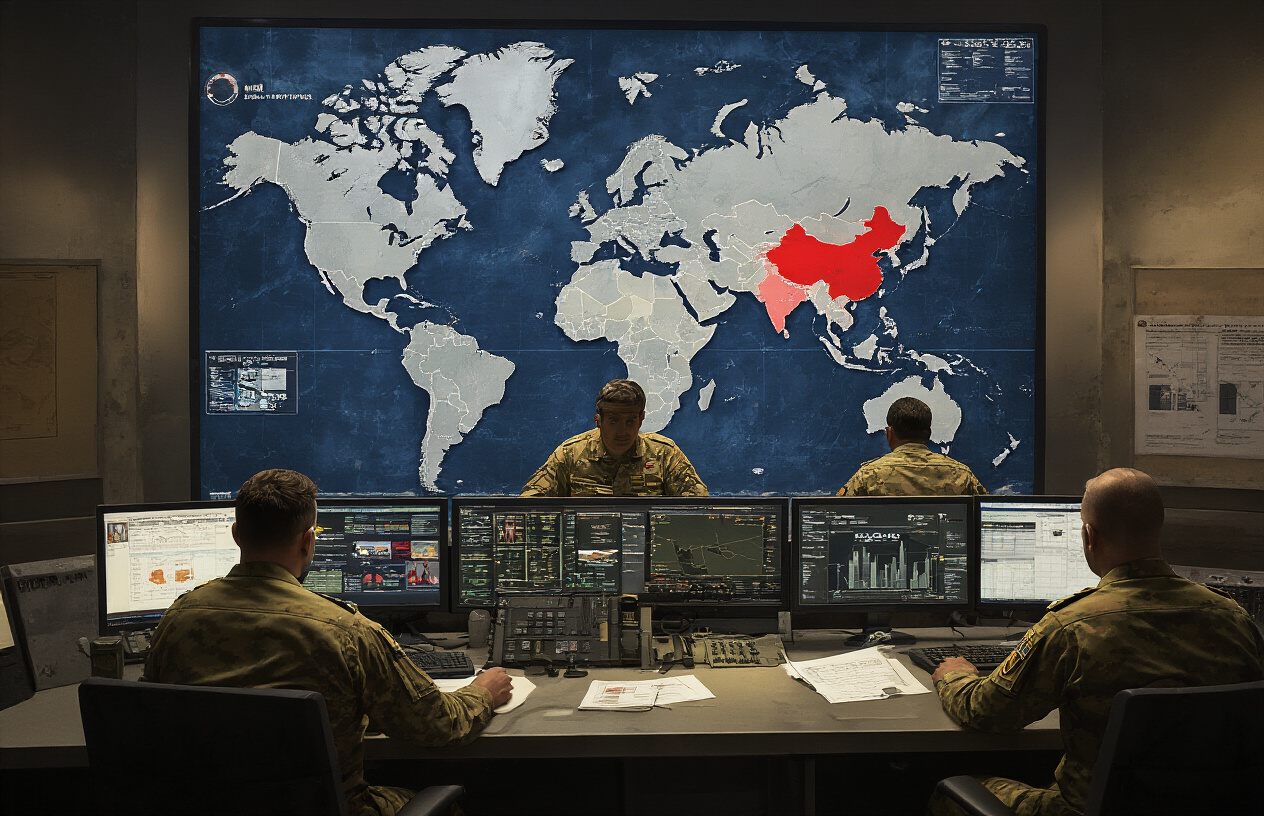
Naval Confrontations in Persian Gulf
The Strait of Hormuz represents one of the world’s most critical maritime chokepoints, with roughly 20% of global oil supplies passing through these narrow waters daily. Iran’s strategic positioning along this waterway gives it significant leverage in any potential military escalation with the US and Israel. The Islamic Revolutionary Guard Corps Navy maintains a fleet of fast attack boats, submarines, and missile systems specifically designed for asymmetric naval warfare in these confined waters.
Recent years have witnessed increasing tensions between Iranian and American naval forces operating in the Persian Gulf. Iran’s “swarming” tactics using small, highly maneuverable vessels could potentially overwhelm larger US warships in shallow coastal waters. The deployment of anti-ship missiles along Iran’s coastline, including the Khalij Fars and Hormuz systems, creates a formidable defensive network that could threaten commercial shipping and military vessels alike.
Mining operations present another escalation scenario, as Iran possesses extensive mine warfare capabilities developed over decades. Disrupting oil tanker traffic through the gulf would immediately impact global energy markets and force international intervention. The presence of US Fifth Fleet headquarters in Bahrain and regular naval patrols increases the likelihood of incidents that could spiral into broader conflicts.
Cyber Warfare and Infrastructure Attacks
Digital warfare has emerged as a preferred method for conducting hostile operations while maintaining plausible deniability. Iran has developed sophisticated cyber capabilities over the past decade, with groups like APT35 and Phosphorus conducting operations against Israeli and American targets. These attacks often focus on critical infrastructure, financial systems, and government networks.
The 2010 Stuxnet attack on Iran’s nuclear facilities demonstrated the potential for cyber weapons to cause physical damage to industrial systems. Iran has since developed its own offensive cyber capabilities, launching attacks against Saudi Aramco, American financial institutions, and Israeli water treatment facilities. The country’s cyber doctrine emphasizes disrupting enemy operations through attacks on power grids, communication networks, and transportation systems.
State-sponsored Iranian hackers regularly target:
- Military communication systems
- Energy sector infrastructure
- Financial institutions and stock exchanges
- Government databases and classified information
- Civilian infrastructure including hospitals and utilities
Escalation in cyber warfare could see more destructive attacks aimed at crippling essential services, potentially affecting civilian populations and drawing stronger military responses from targeted nations.
Direct Military Strike Possibilities
Military strategists have identified several scenarios where direct kinetic action might occur between these nations. Israel’s history of preemptive strikes against perceived nuclear threats in Iraq and Syria establishes precedent for similar action against Iranian nuclear facilities. The distance involved and Iran’s air defense systems make such operations significantly more challenging than previous targets.
US military bases throughout the Middle East provide multiple launching points for potential strikes against Iranian targets. The presence of advanced aircraft like the F-35 Lightning II and long-range bombers gives American forces significant strike capabilities. However, Iran’s development of underground facilities and mobile missile systems complicates targeting efforts and reduces the effectiveness of precision strikes.
Potential strike scenarios include:
- Surgical strikes on nuclear facilities using bunker-busting weapons
- Broad attacks on military installations and missile production sites
- Targeted elimination of key military and political leadership
- Naval blockades combined with air strikes on coastal installations
- Coordinated multi-platform attacks involving both US and Israeli forces
Iran’s response capabilities include ballistic missile strikes against regional US bases, attacks on Israeli population centers, and activation of proxy forces across the region. The country’s missile arsenal includes the Shahab series, Sejjil, and newer hypersonic weapons that could penetrate existing missile defense systems.
Regional War Spillover Effects
Any military confrontation involving Iran, the US, and Israel would likely trigger responses from proxy forces and allied nations throughout the Middle East. Hezbollah in Lebanon maintains an estimated 130,000 rockets and missiles aimed at Israeli territory, while Iranian-backed militias in Iraq and Syria could target American personnel and facilities.
The involvement of regional powers would transform any bilateral conflict into a broader Middle Eastern war. Saudi Arabia and the UAE, despite recent diplomatic outreach to Iran, maintain significant concerns about Iranian regional influence and might support US-Israeli operations. Russia’s military presence in Syria and arms sales to Iran could complicate any intervention, while China’s economic interests in Iranian oil create additional diplomatic pressures.
Key spillover scenarios include:
- Hezbollah rocket barrages against Israeli cities and infrastructure
- Attacks on Saudi and UAE energy facilities by Houthi forces
- Iraqi militia strikes on US personnel and bases
- Syrian involvement through missile attacks or border infiltration
- Closure of multiple regional oil shipping routes
- Refugee crises from affected civilian populations
The interconnected nature of regional conflicts means that proxy wars Middle East dynamics would intensify dramatically. Iran’s network of allied groups across Lebanon, Syria, Iraq, and Yemen provides multiple avenues for retaliation that could sustain conflict for extended periods, regardless of outcomes in direct military confrontations between primary belligerents.
Economic disruption would extend far beyond the immediate combat zone, with potential war Iran consequences affecting global energy markets, international shipping routes, and regional stability for years following any initial military action.
The complex web of tensions between the US, Israel, and Iran has deep historical roots that continue to shape Middle Eastern geopolitics today. From decades of sanctions and economic pressure to proxy conflicts across the region, these three nations remain locked in a dangerous cycle of escalation. The nuclear program disputes have only added another layer of complexity, with diplomatic efforts repeatedly falling short of lasting solutions.
Looking ahead, the potential for military escalation remains a serious concern that could reshape the entire region. The current strategic positioning and military capabilities on all sides suggest that any conflict would have far-reaching consequences beyond just these three countries. Rather than pursuing confrontation, all parties would benefit more from renewed diplomatic engagement that addresses core security concerns while preventing a devastating war that would harm millions of innocent people across the Middle East.


![[keyword]](https://learnxyz.in/wp-content/uploads/2026/02/ऐसा-प्रतीत-होता-है-कि-व्हाइट-हाउस-का-एक-कर्मचारी.jpg)